
CAMFED Tanzania was launched in 2005 to tackle girls' exclusion from education.
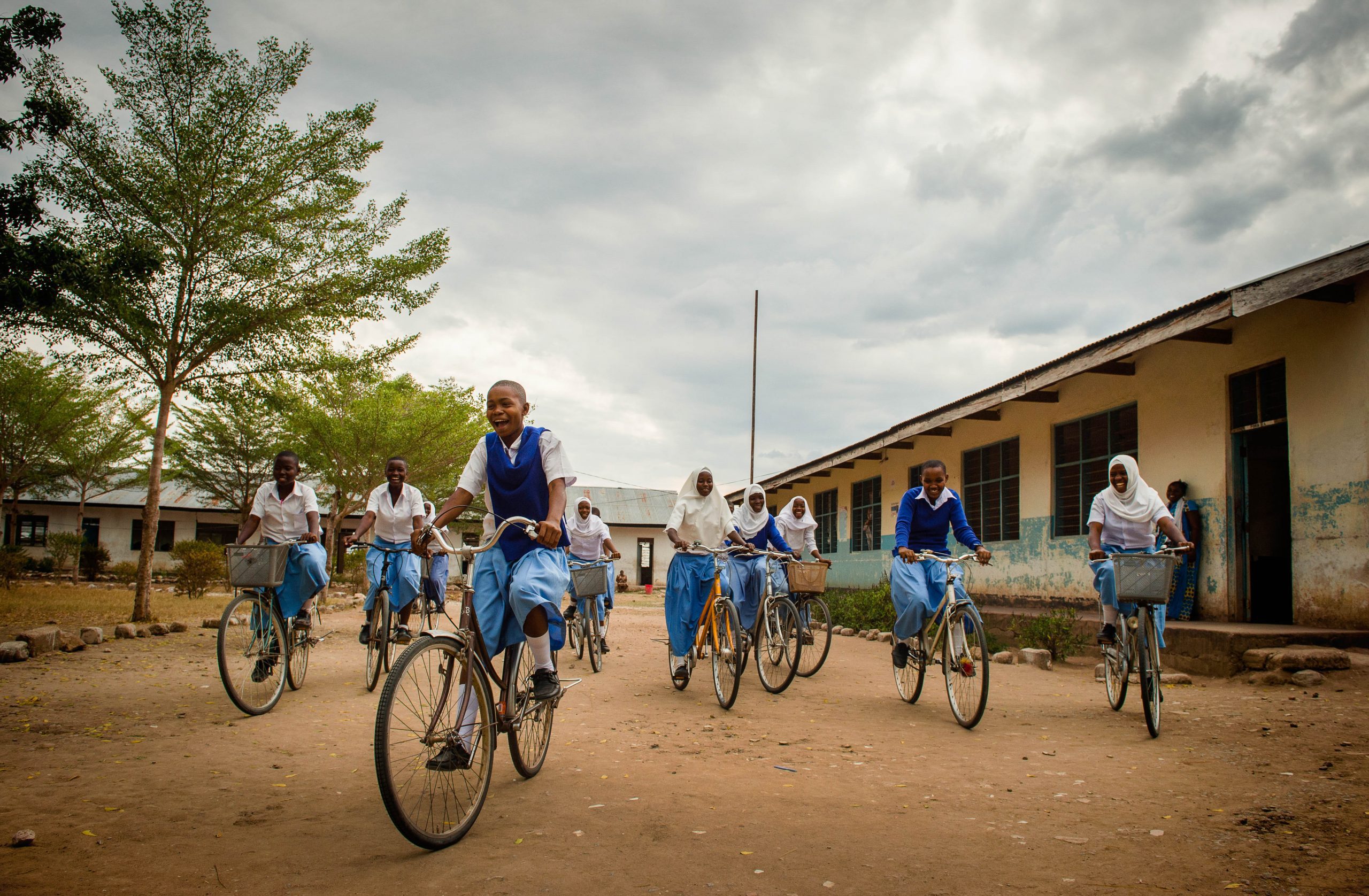
CAMFED Tanzania was launched in 2005 to tackle girls' exclusion from education.
CAMFED Tanzania launched in 2005, working with the government to boost secondary school enrollment, as Tanzania has one of the lowest transition rates between primary and secondary school in Africa.
We first started our work in the town of Iringa, where many girls who couldn’t afford secondary school fees were leaving home to become “house girls” in urban centers, at extreme risk of abuse and exploitation. Since then, our work has expanded, and by 2024 CAMFED Tanzania was supporting the education of vulnerable children in government schools across 35 districts.
I have been with CAMFED since it started in Tanzania. What makes me feel so excited about our work is seeing the girls we are supporting rising from despair to having hope. Some of the girls have been able to achieve things they thought they’d never be able to achieve – passing exams, running businesses, and becoming Learner Guides, mentors and role models to other vulnerable children. They are now respected by their families and communities, holding positions of responsibility, and giving back by helping others. That obvious change in each girl has happened because CAMFED has invested in them. This is what motivates me to go to work each day.
Lydia Wilbard, Founding member of the CAMFED Association in Tanzania
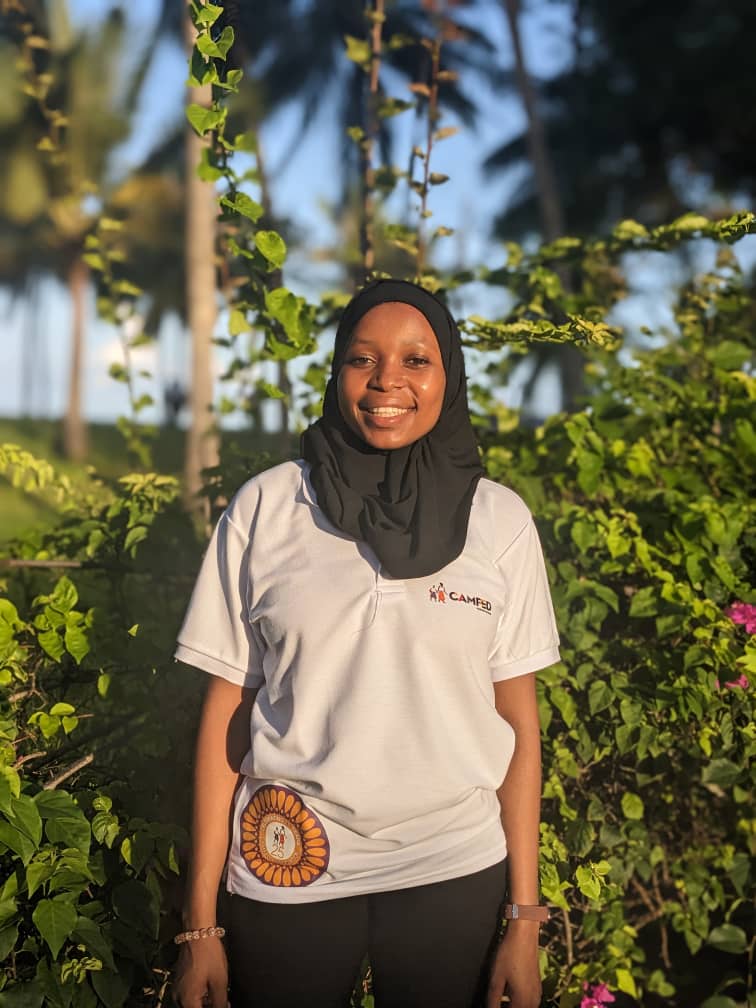
“I am proud of being a catalyst for a change in my community. As the CAMFED Association National Chairperson in Tanzania, and a Learner Guide Coordinator, I strive to ensure inclusive and equitable, quality education for school students — supporting them to achieve their goals through CAMFED’s life-skills program, My Better World. I promote gender equality and lifelong learning opportunities, to help elevate women and girls both economically and socially through education. This work is achieved not by myself, but through the coordinated actions of districts, villages and local leaders, all working together with myself and other CAMFED Association members across Tanzania. Together we can!“
Shamsa Mkurungo, CAMFED Association National Chairperson, Tanzania
Girls, children with disabilities, and those from poor families are the most vulnerable to drop out or never attend school.
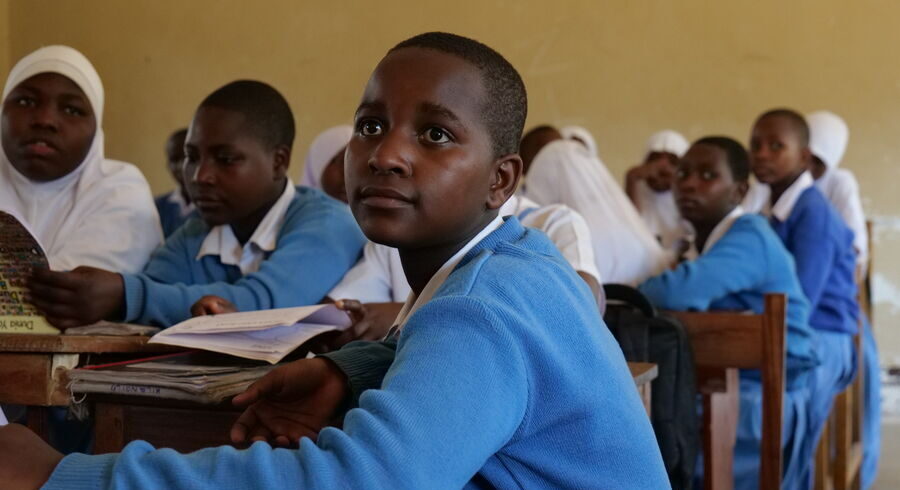
In Tanzania, 49% of children live below the international monetary poverty line of $2.15 per day.
Only 27% of girls complete upper secondary school in Tanzania, and among the poorest children this falls to 6%.
29% of girls in Tanzania are married before the age of 18, and 5% before the age of 15.
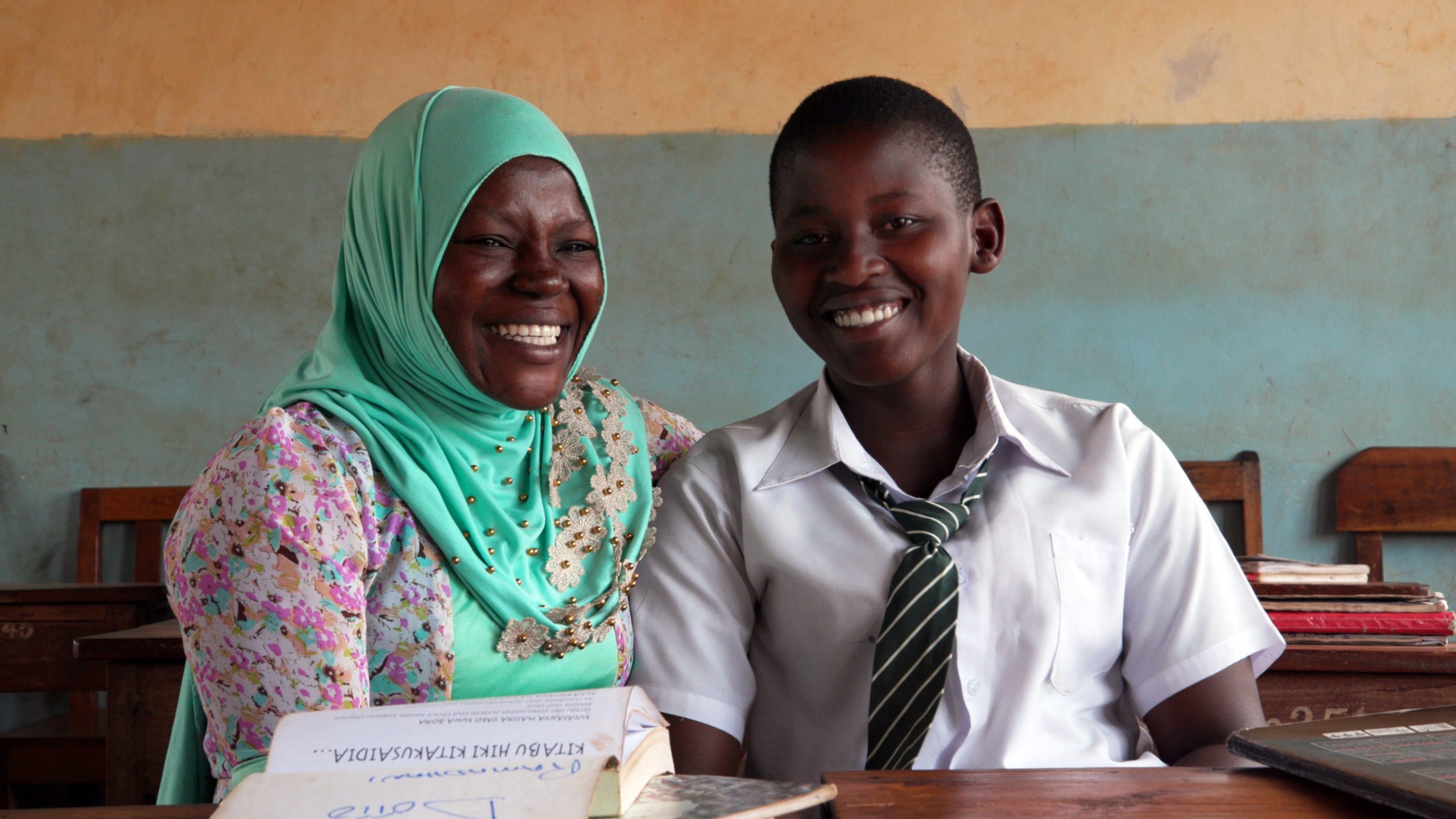
Dotto is a CAMFED Association member and trained Learner Guide in Tanzania, who understands the barriers girls and vulnerable students face to their education. She volunteers at her local secondary school to support learners and help them overcome challenges, and in return gains access to funds and training in order to grow her own business.
Students are affected by lack of schools and school places, understaffing, and lack of resources such as textbooks and equipment. CAMFED provides textbooks for a significant number of our partner secondary schools, as well as e-readers and workbooks.
At secondary level the teaching language switches from Swahili to English, and often without access to resources and support, children struggle to acquire the literacy and language skills required to learn and pass their exams.
In addition, the shortage of highly qualified (especially female) teachers means girls often lack the role models to aspire to and help them succeed. CAMFED Association members are essential female role models that girls can look up to. They help resolve problems and improve learning outcomes for all students.
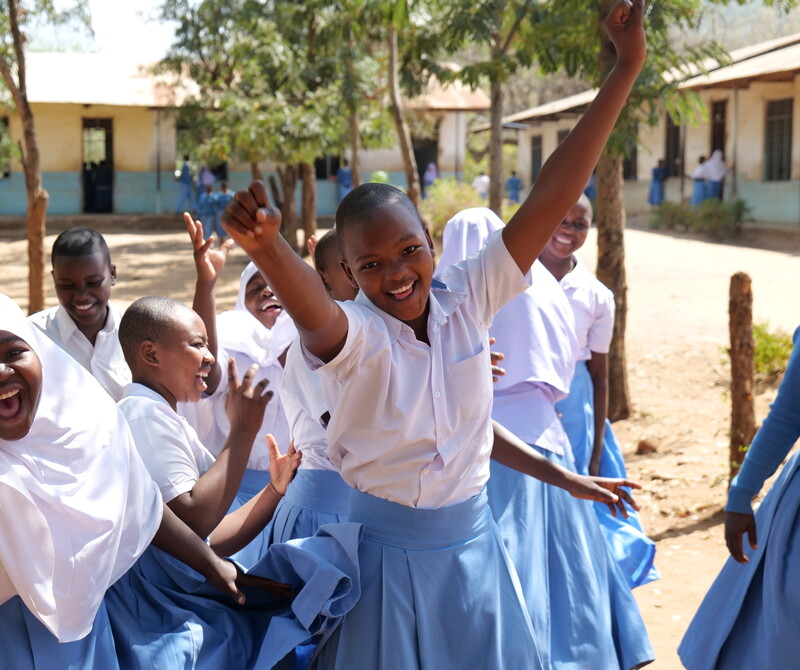
supported 201,605 students to go to primary and secondary school using donor funds.
Of these, 102,061 students have been supported to go to primary school - CAMFED's Safety Net Fund for partner primary schools provides essential items for children to prevent them from dropping out of school.
and 99,544 students have been supported to go to secondary school - CAMFED provides holistic support, that might include school or exam fees, uniforms, menstrual supplies, books, pens, bikes, boarding fees or disability aids.
CAMFED Tanzania supports the education of vulnerable children in 757 government schools.
In 2015, the Tanzanian government took significant steps to reaching the sustainable development goals by introducing fee-free education at both primary and secondary school level. However, with almost a third of the population living below the national poverty line, many children still face barriers to accessing education – including long, dangerous journeys to school and lack of money for school-going essentials like uniforms.
CAMFED Tanzania partners with government and works alongside local schools, community groups, parents and stakeholders, to identify the most disadvantaged children in communities and ensure they get the material and emotional support they need to learn and thrive.
Together with CAMFED Association leaders, we catalyze the activism of CAMFED Champions in our partner communities to support more vulnerable children to go to primary and secondary school.
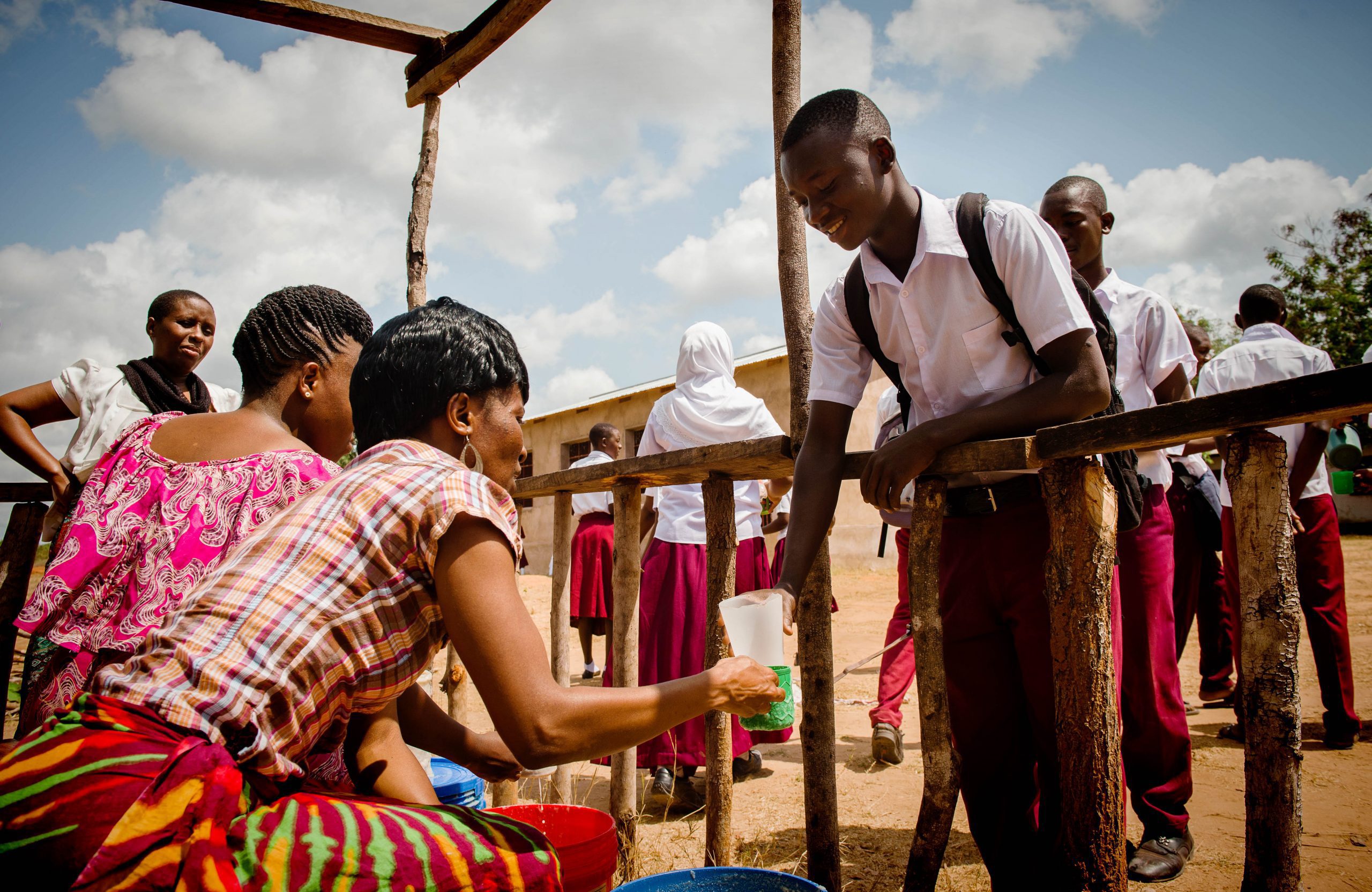
Since 2005, 1,211,275 students have been supported to go to school by CAMFED Association members and community initiatives.
Of these, 483,063 students have been supported to go to school directly by CAMFED Association members. Often using profits from their businesses, CAMFED Association members support on average 3 more children to go to school - multiplying the impact of their education.
and 728,212 students have been supported to go to primary and secondary school through community initiatives. This includes parents, teachers, education officials and traditional leaders, who rally resources to support even more children to go to school.
Our movement in Tanzania has grown to 66,651 CAMFED Association members helping to form the largest network of its kind in Africa. Young women educated with CAMFED support spearhead our programs and help more vulnerable children to go to school.
Like a lion, I am focused, fearless, and determined to overcome challenges! I’m Diris from Tanzania, read my story to learn how education transformed my life and how I’m building lasting change in Tanzania.
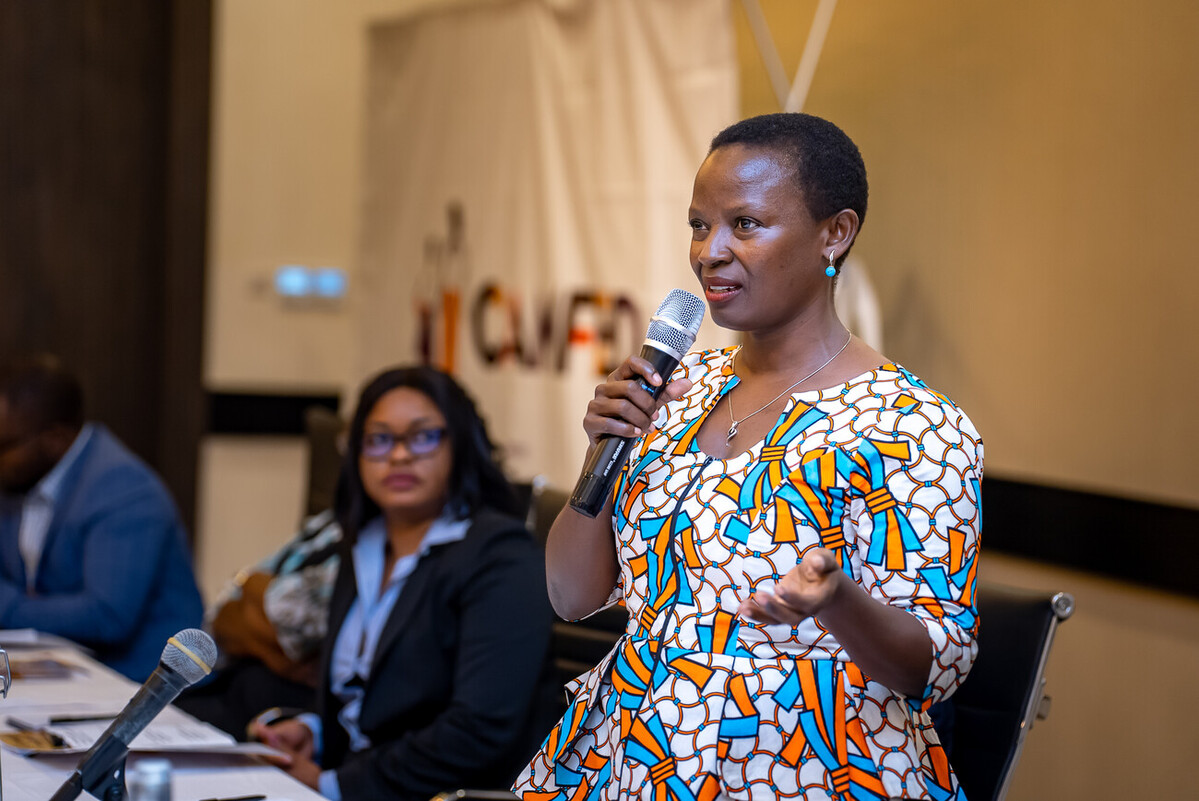
Lydia Wilbard, CAMFED’s Executive Director, Learning and Engagement, discusses her research on women’s leadership pathways in Tanzania’s secondary education sector. She also examines how current policies, strategies, and practices support or impede progress.
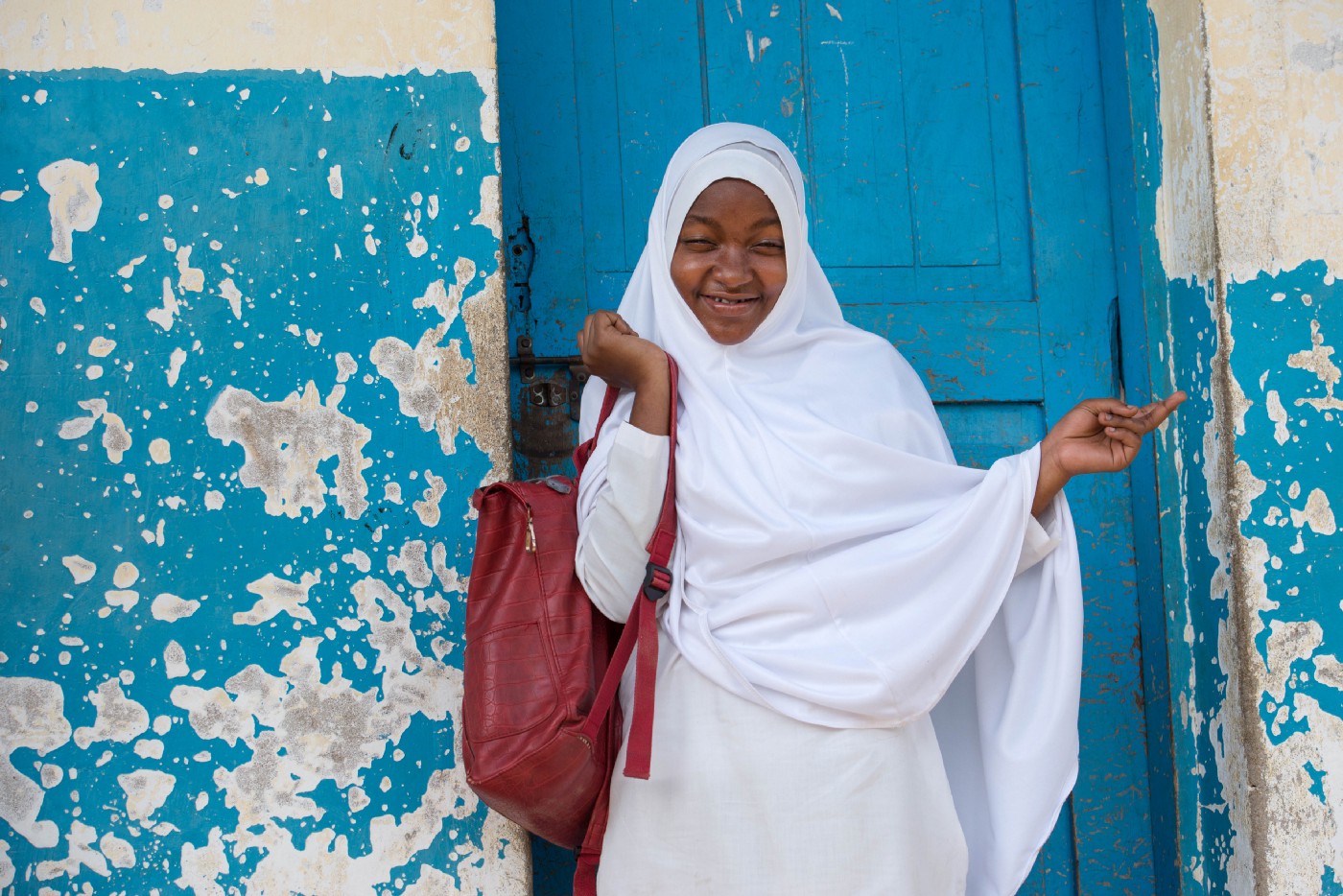
This article by Samwel Mwalongo for Daily News Tanzania, discusses how collaborative efforts between government and education stakeholders, including CAMFED Tanzania is raising educational standards and improving outcomes for all children.
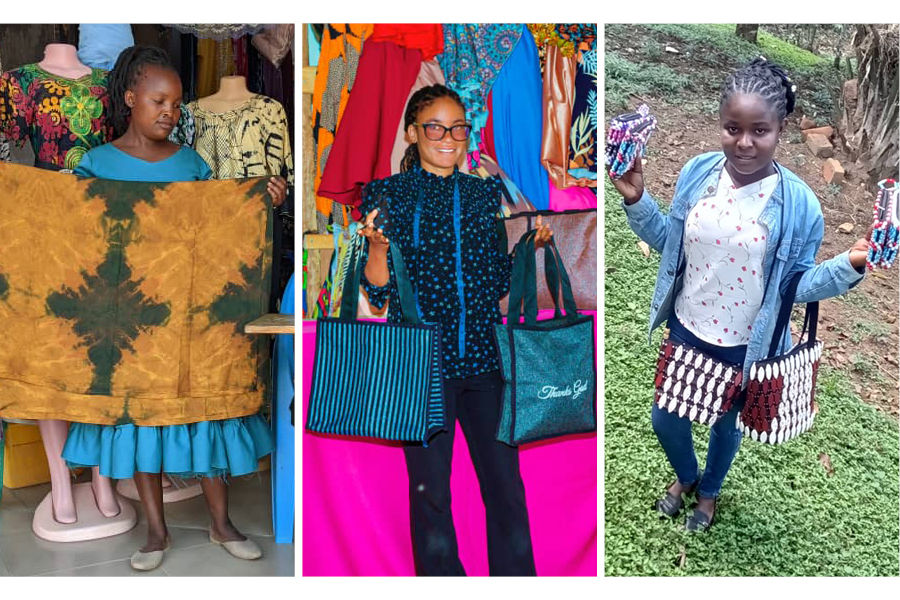
In part 1 of our blog series, ‘Crafting Change’, hear from three Tanzanian entrepreneurs Anita, Lidya, and Helina who are building thriving fashion businesses with their handcrafted designs, reinvesting in their communities and lifting others up.
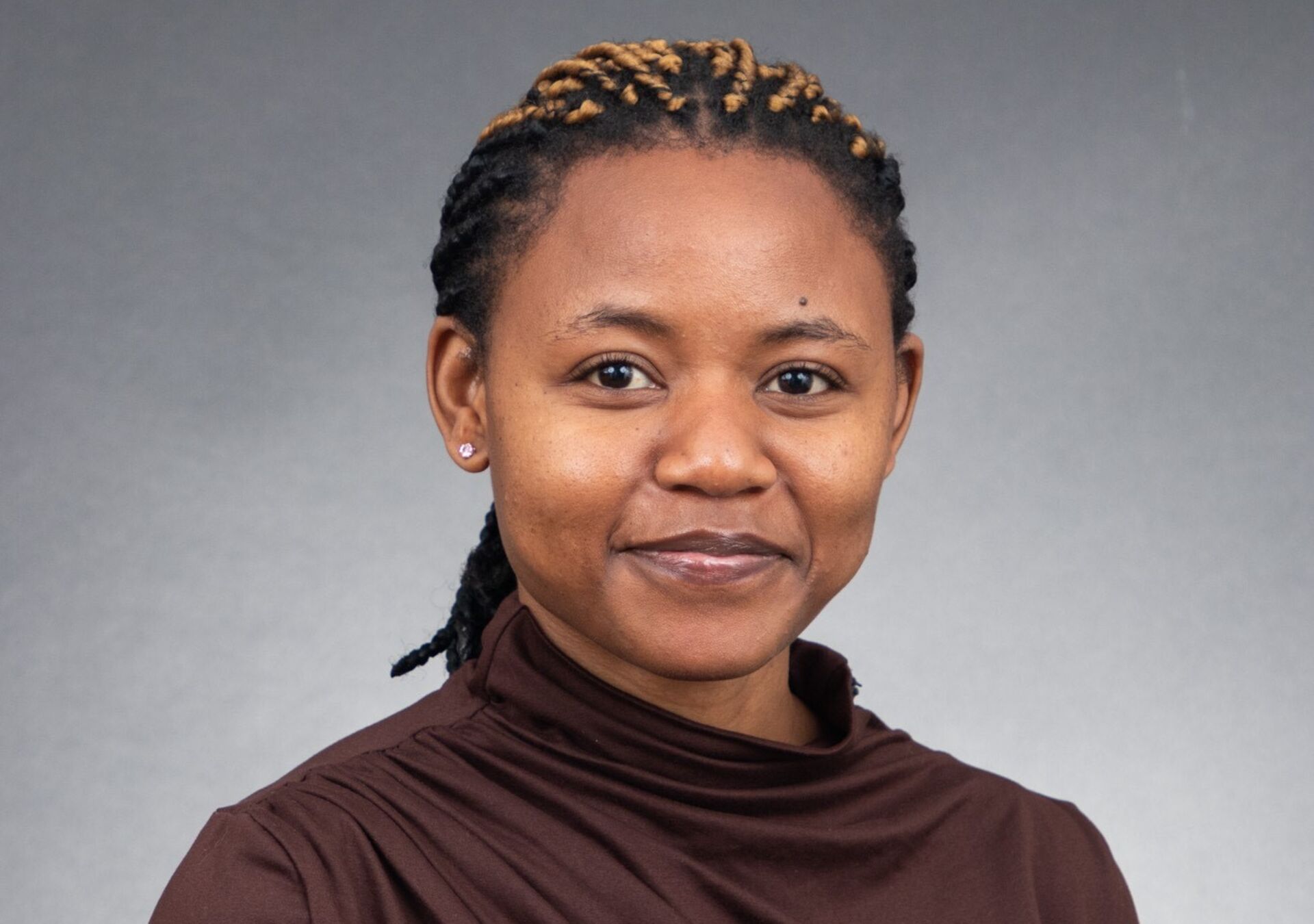
I’ve been on a transformative education journey with CAMFED, and now I’m plowing back into my community by supporting young women in Tanzania to access education opportunities.
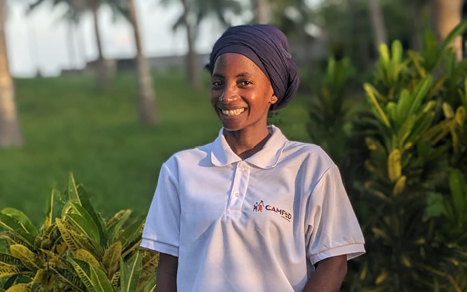
I’m passionate about supporting other young women to succeed and have trained 15 of my fellow CAMFED Association sisters in baking.
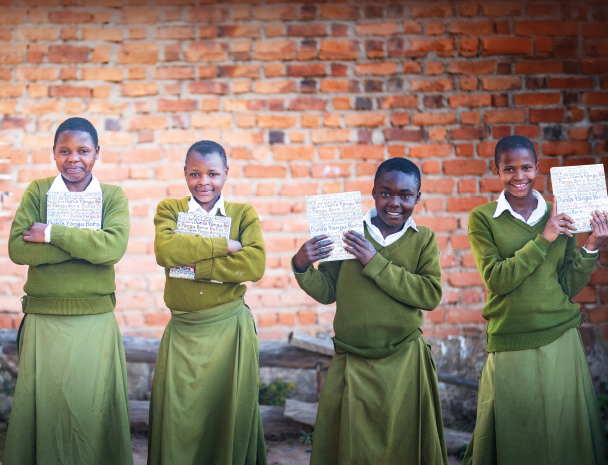
CAMFED Tanzania, in close collaboration with government Ministries, conducted a two-day seminar for Ward Education Officers, Headmasters, and Counseling Teachers, with the aim of enhancing their ability to provide education and life skills guidance to secondary school students within the Singida District Council.
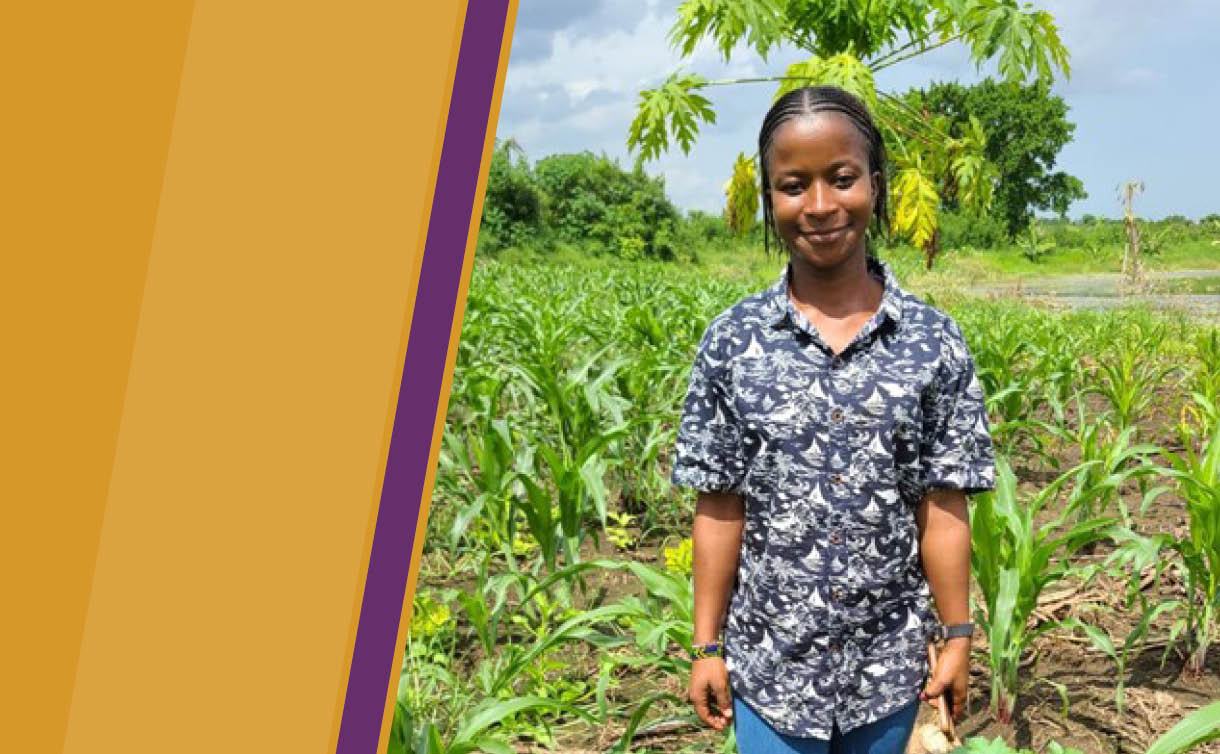
I’m now an educated leader and trailblazing agripreneur, committed to plowing back to my community by training other women in climate-smart agribusiness.
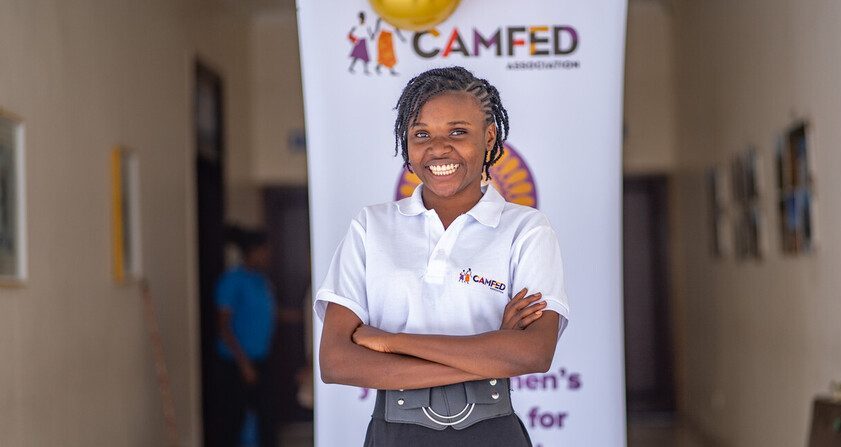
Because I am educated, now I am included in city planning to protect people from climate change. If you want to protect the environment, you can count me in.
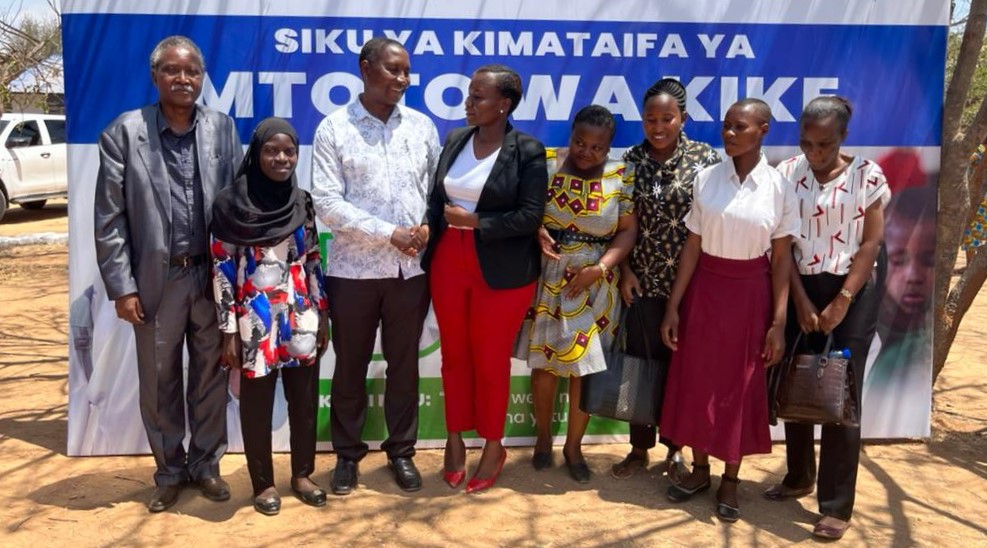
Anna Sawaki, Director of Programs and Partnerships at CAMFED Tanzania, discusses CAMFED’s bold ambitions to support more girls and young women from disadvantaged backgrounds across the country.
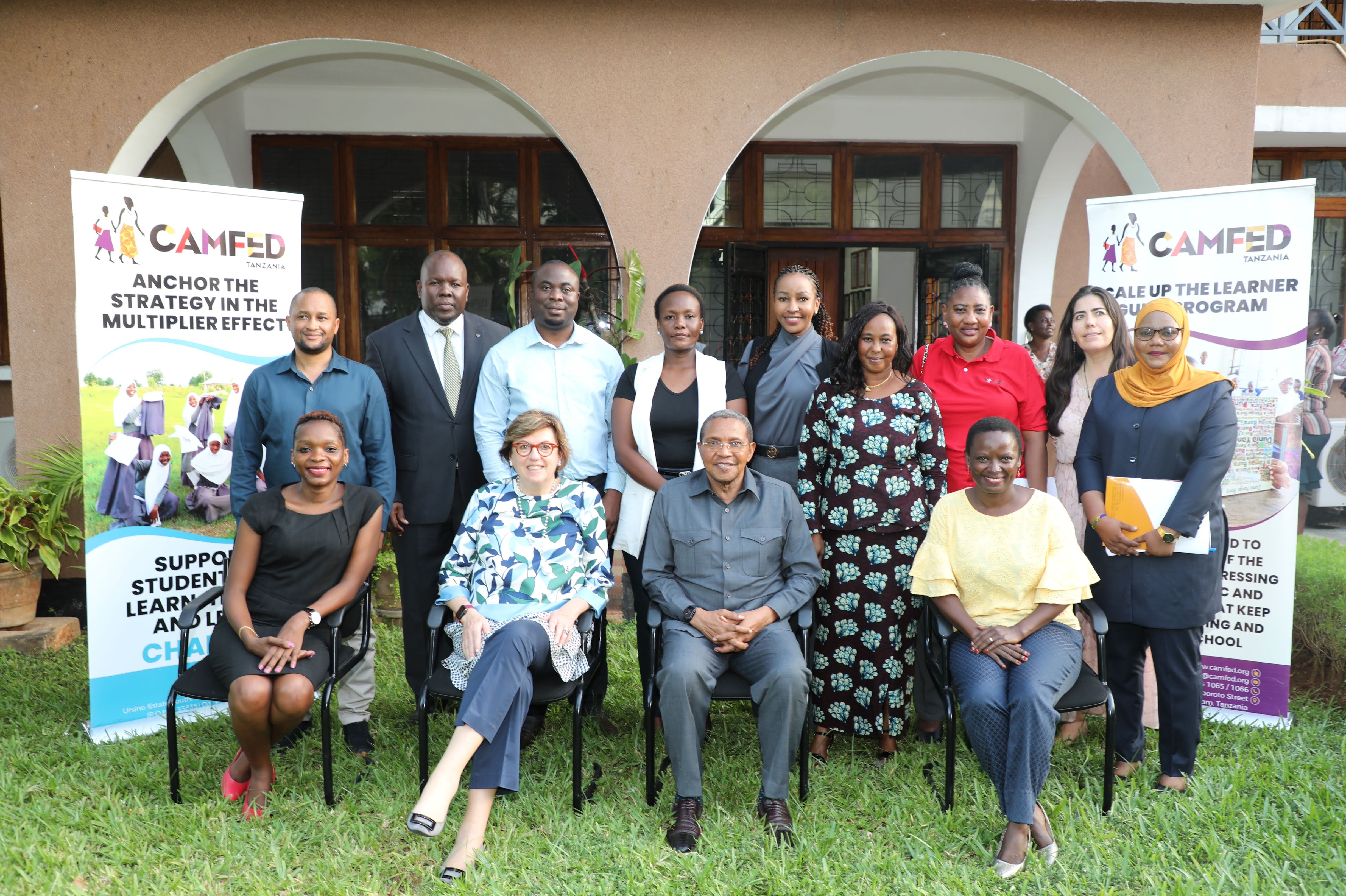
CAMFED Tanzania welcomed H.E. Jakaya Mrisho Kikwete, Board Chair of the Global Partnership for Education (GPE) and former president of Tanzania, and Laura Frigenti, GPE Chief Executive Officer, to our offices in Dar es Salaam to jointly host a roundtable with Civil Society Organization representatives.
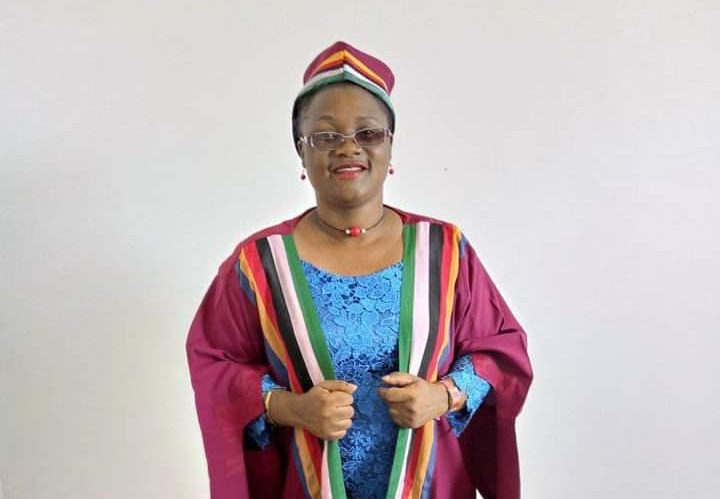
I am proud of being a businesswoman. I am proud of being a leader. I am proud of how CAMFED has shaped my life and the role model I’ve become. I love my job as Vice Chairperson of Kibaha Rural District Council, and I am happy to be making life better for women and girls in my community.
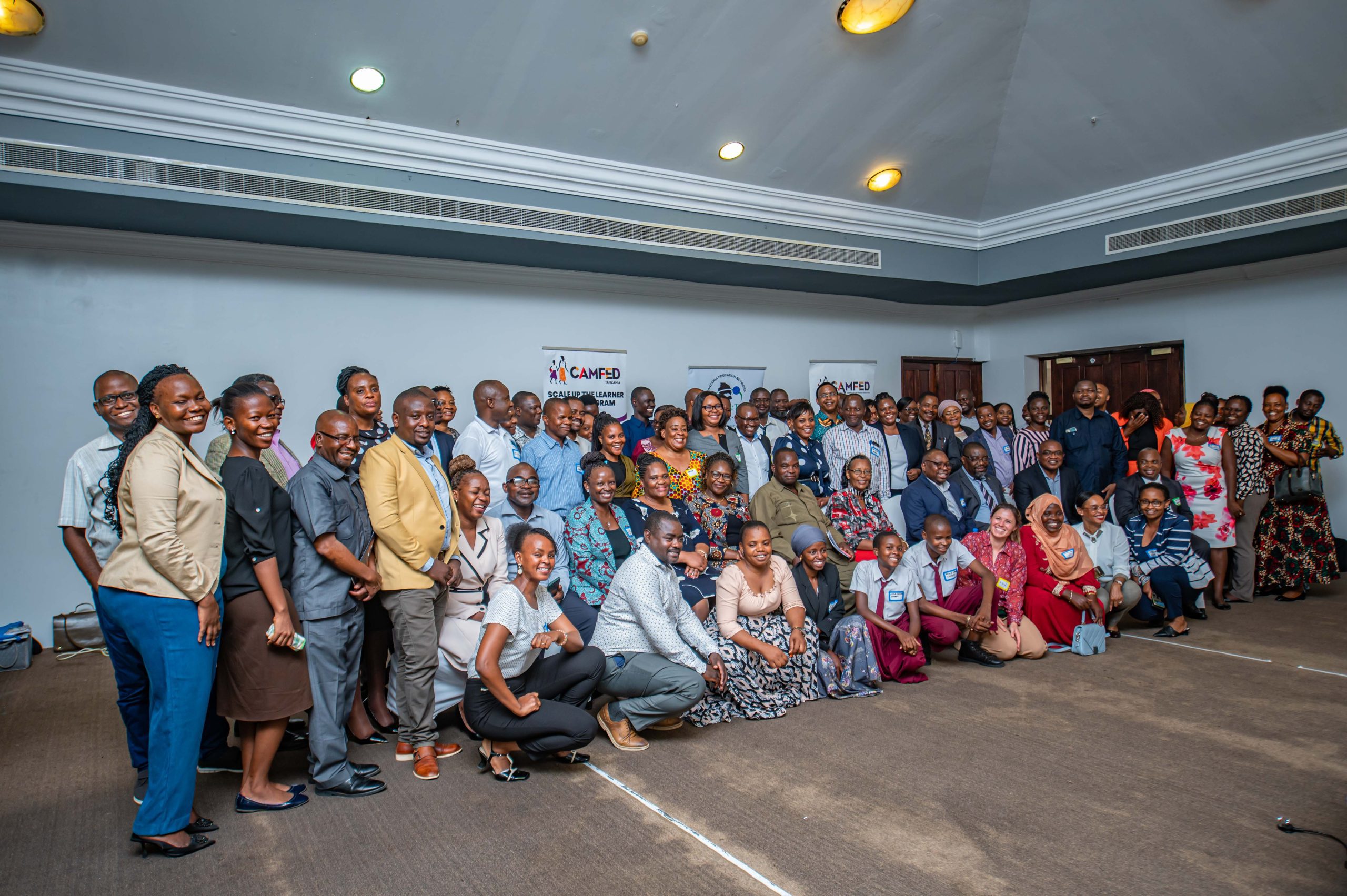
CAMFED's close collaboration with government Ministries and research partners is looking at how we scale youth-led programs that drive up learning outcomes and post-school opportunities for disadvantaged children.
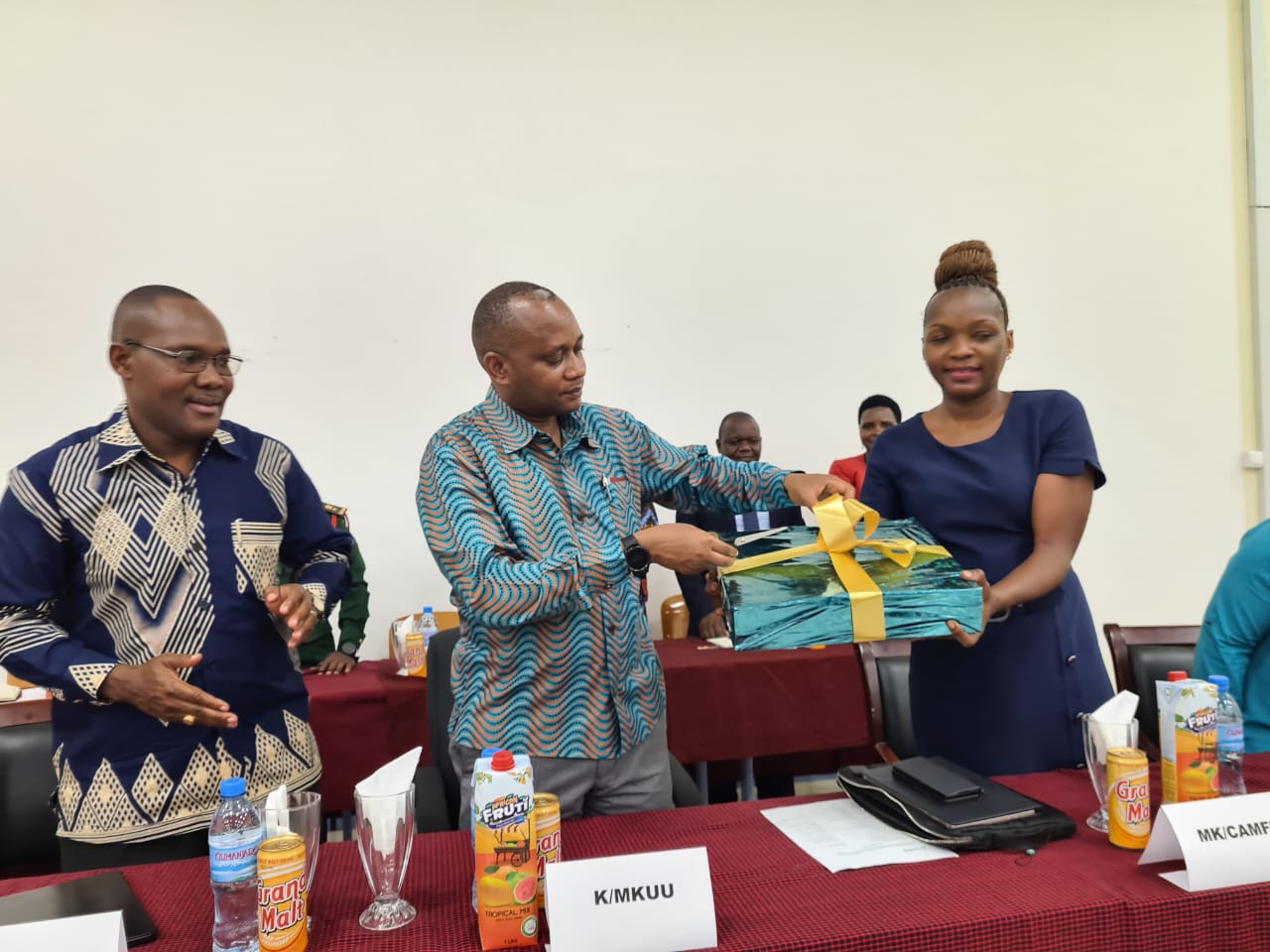
At a special event with representatives from the Ministry of Health, CAMFED Tanzania distributed 287 laptops to the country's future health workers.
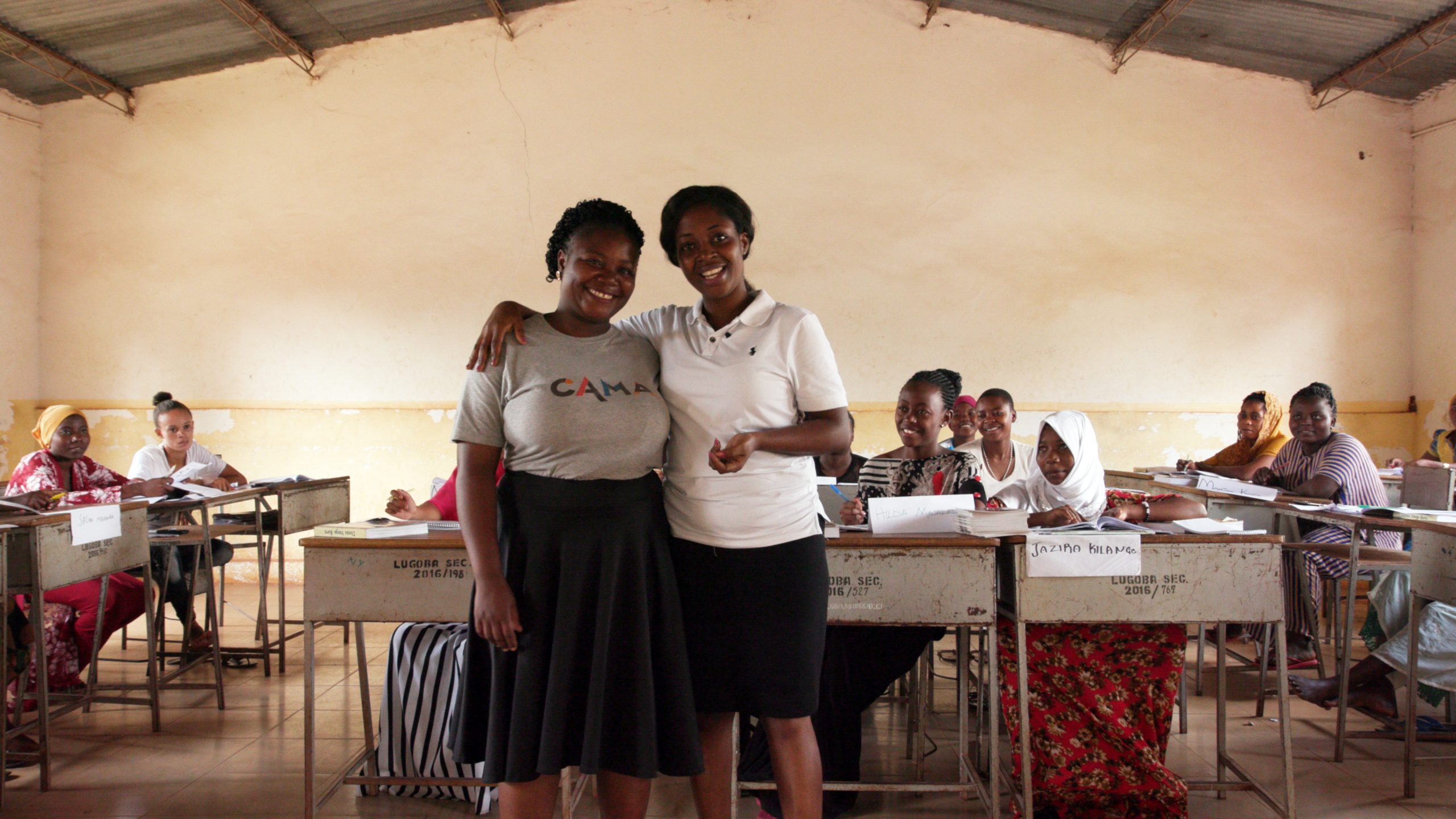
CAMFED Tanzania's Anna Sawaki and Stumai Kaguna look back over a decade that has changed the lives of more than 277,000 young women in Tanzania, Zambia and Zimbabwe thanks to investment under the Girls’ Education Challenge (GEC) funded through UK Aid. By way of Stumai's own story, they explain how CAMFED's program, developed under the GEC, is helping girls in disadvantaged communities to build confidence and become a new generation of change leaders.
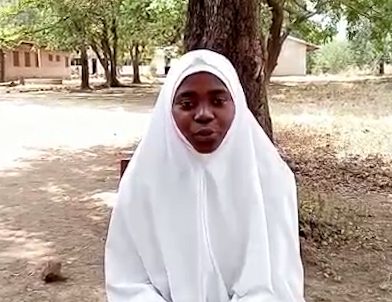
As girls and young women across rural Ghana, Malawi, Tanzania, Zambia and Zimbabwe, we’re standing tall and proud, because education has given us the power to claim our rights, speak up, support each other, and work together to change the systems that are holding us back.
I’m Fatuma, a secondary student and aspiring Nurse from Tanzania. Education helped me to have confidence, I can speak in front of many people and I give them advice. Education my power!
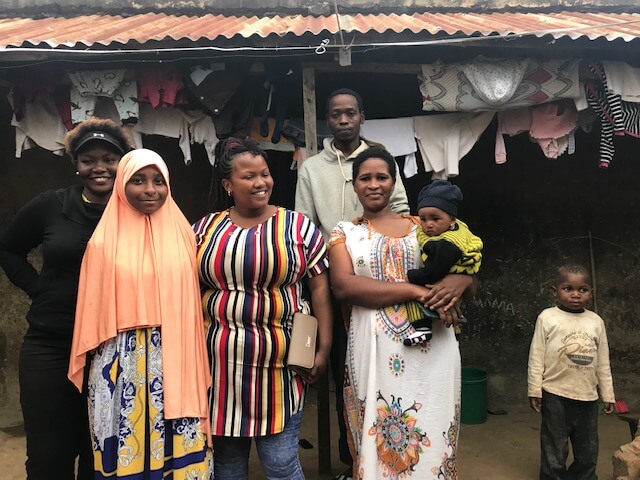
The Yidan Prize Foundation’s Christopher Thomas records his impressions during a documentary visit with CAMFED Tanzania, meeting Learner Guide Fatuma, who today “is a woman that is everywhere—brimming with confidence as she runs her shop, sets up a second business, advises the town council, teaches a life-skills program to students at her former school, and even runs a successful chalk factory with other CAMFED graduates.”
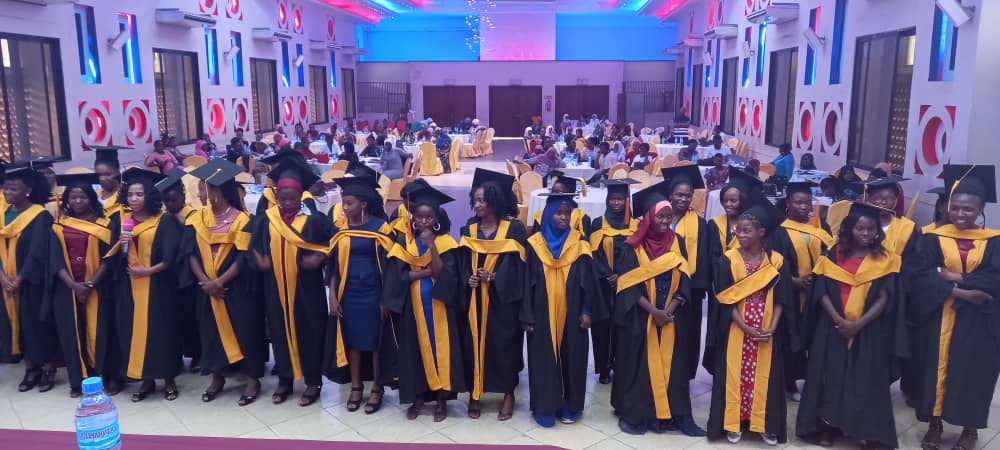
A series of high profile events celebrating our Sisterhood focused on young women’s leadership for equity and inclusion in Tanzania. Once disadvantaged themselves, members of the CAMFED Association of women leaders share a deep commitment to ensuring the children following in their footsteps face fewer barriers to education.
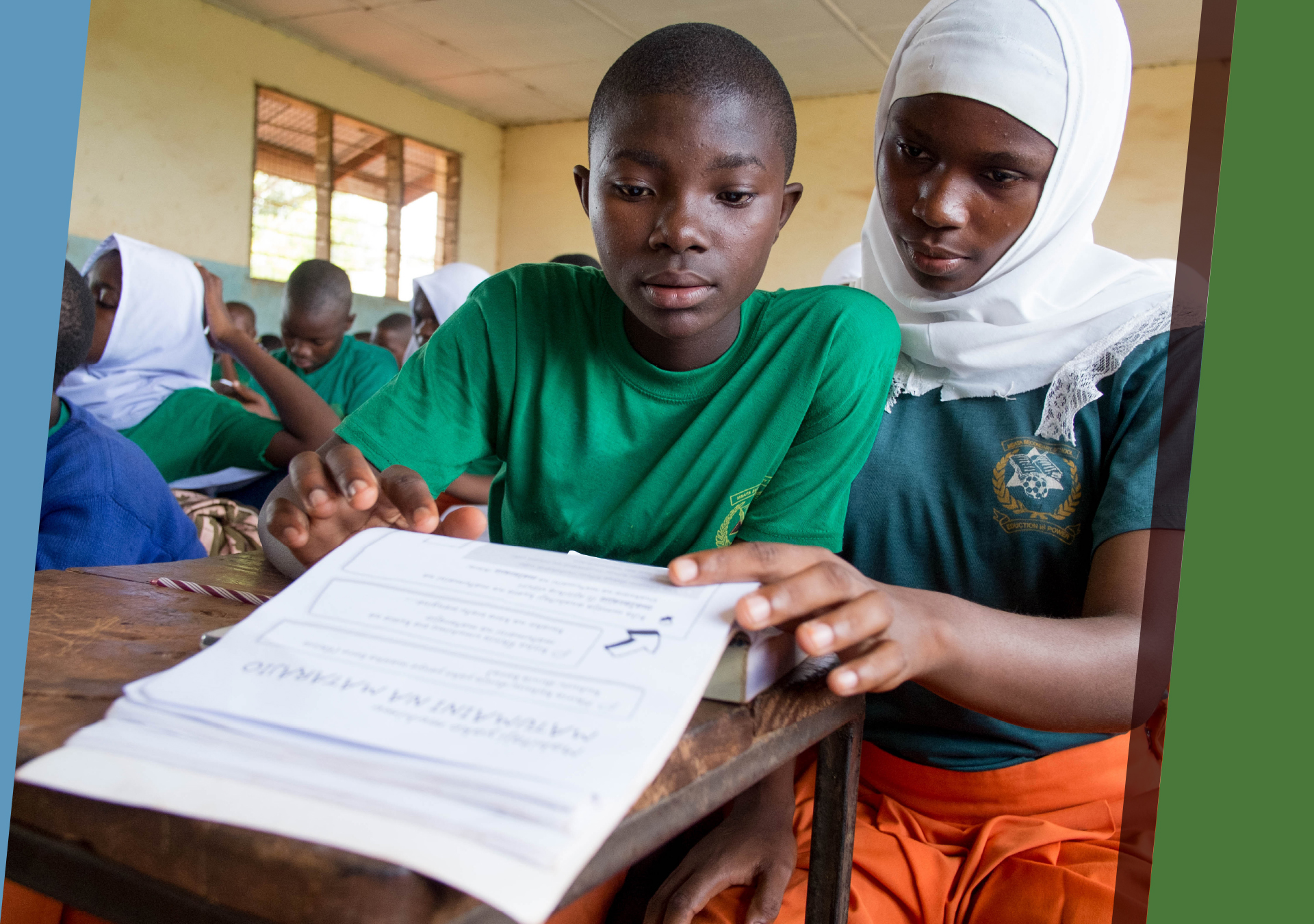
Since 2018, the Center for Universal Education (CUE) at the Brookings Institution has partnered with CAMFED Tanzania to implement an RTSL (Real Time Scaling Lab) to expand and deepen the impact of CAMFED’s Learner Guide Program. CAMFED’s Lydia Wilbard and Patrick Hannahan from The Brookings Institution share learnings from expanding the project.
In its article on cost-effectiveness and EdTech, EdTech Hub explores issues of access and equity. The authors share the World Bank analysis that ranks CAMFED Tanzania’s program 2nd of 150 education interventions for cost-effectiveness and reaching the most disadvantaged.
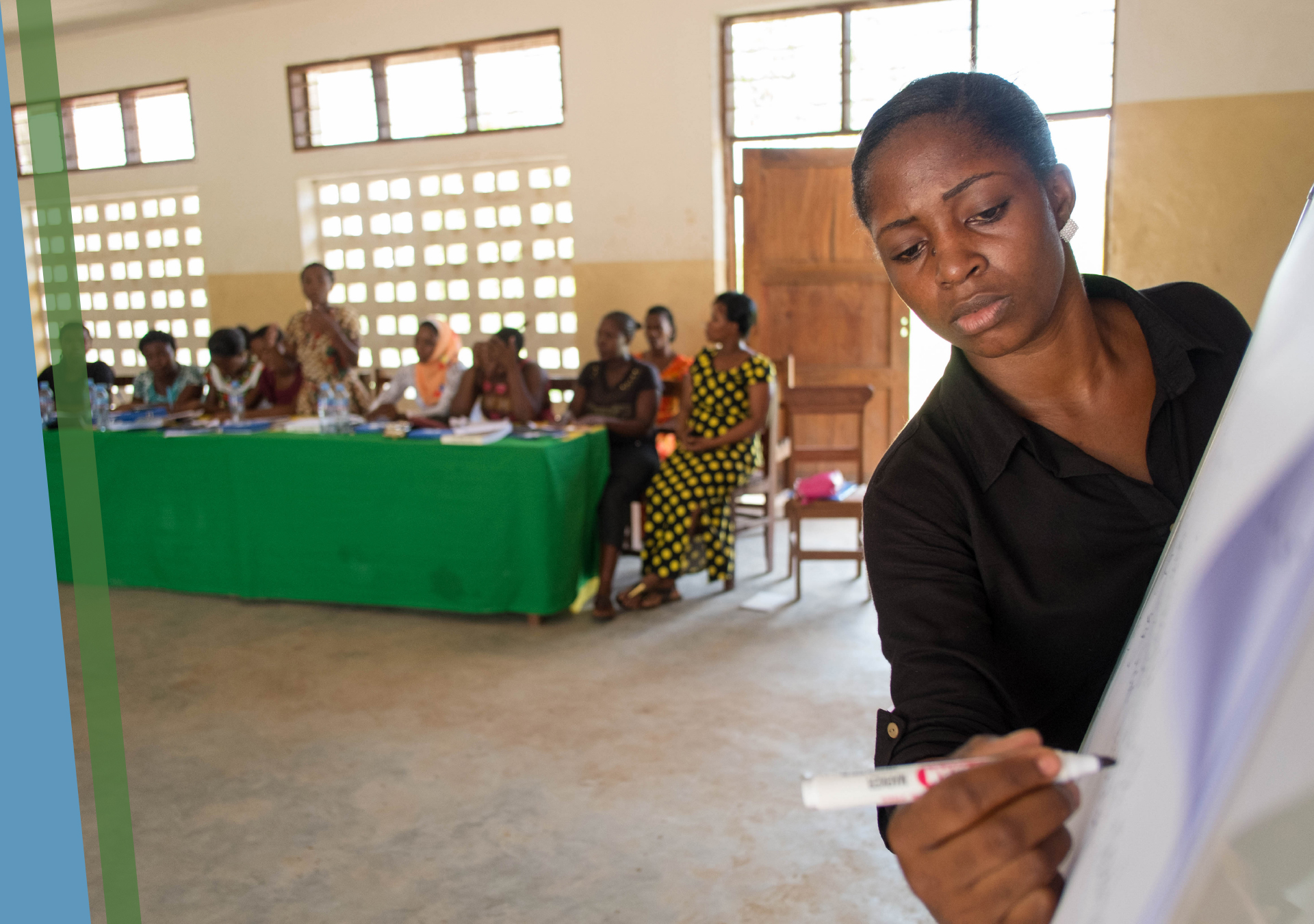
Diris Martin and Doris Mponji, CAMFED Association members in Tanzania share their experiences of becoming CAMFED Learner Guides, and volunteering in their local secondary school. Their support was vital for students during the COVID-19 pandemic and continues to transform prospects for young people.
Huma Soomro $21.40
Melanie El-Hariri €180
Bill Davies £104.10
Sharon Hutchinson $5
Joaly kim $5.60
Kenyon Mahoney $9
Laura Shaw $63.40
Janet Leininger $21.40
Enrique Loy $230
William Rutcosky $300
Maria Robles $20.30
Alina Blazhenko $10.90
Alex Garbett £104.10
Marsha Meyer $21.40
Anand Kamathi $190