
CAMFED Ghana was launched in 1998 to tackle girls' exclusion from education.
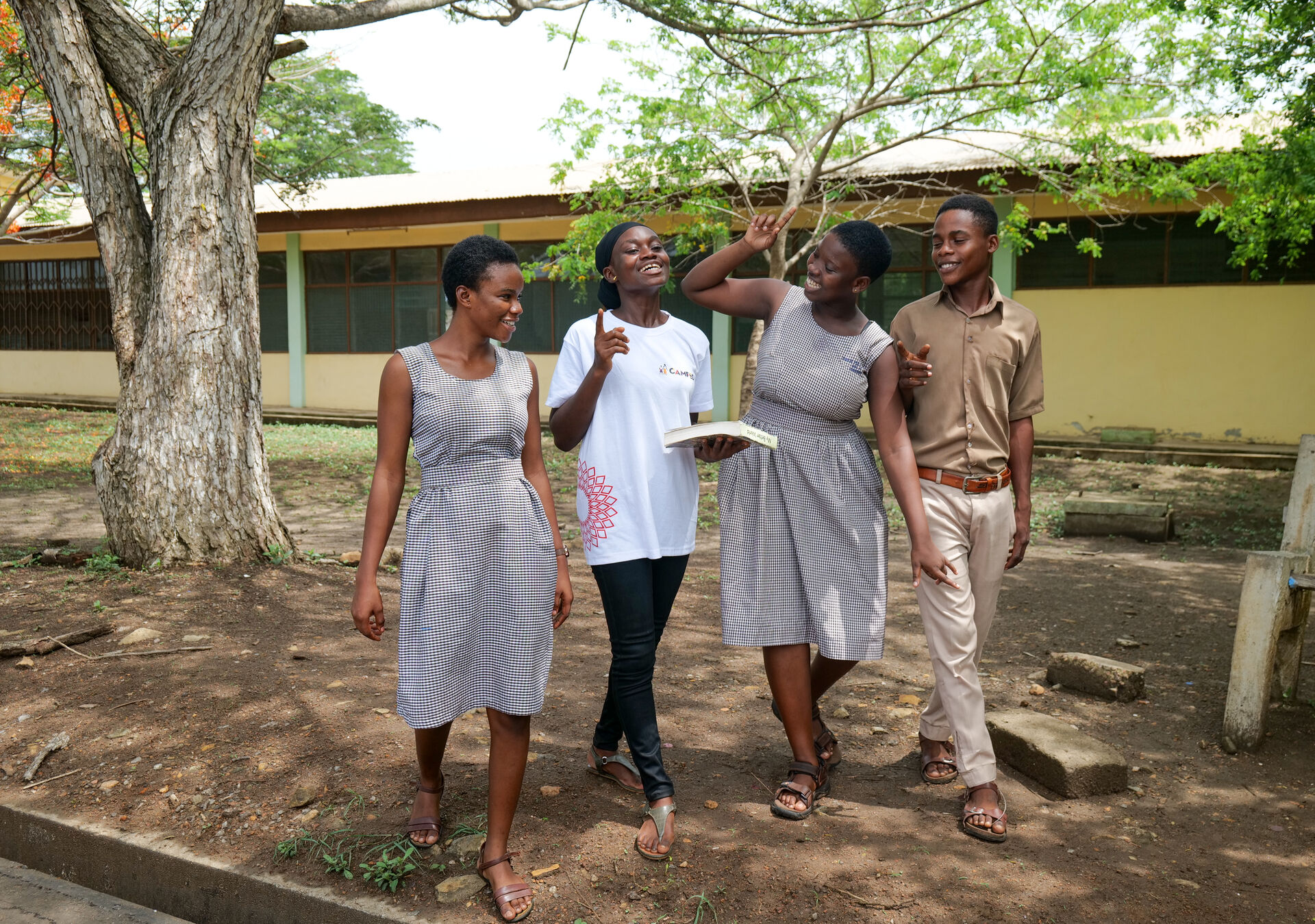
CAMFED Ghana was launched in 1998 to tackle girls' exclusion from education.
CAMFED Ghana launched in 1998, working in the Northern Region, and by 2024 was operating in 44 districts. In the communities where we work, chronic poverty excludes many girls from education, with less than a quarter of children in the poorest households attending lower secondary school. This persistent poverty pushes vulnerable girls into unsafe work or child marriage.
CAMFED Ghana works to support the most marginalized girls to finish secondary school, and through our transition programs help them into post school employment or further education and training.
Poverty still hinders girls from accessing, transitioning through, and completing school in Ghana. Recognizing that education is a fundamental right that ignites power and potential, CAMFED Ghana continues to work with government, civil society, and community structures to build an ecosystem of support around vulnerable girls and young women. This ensures they can thrive in school and succeed after graduation, including as leaders in our movement.
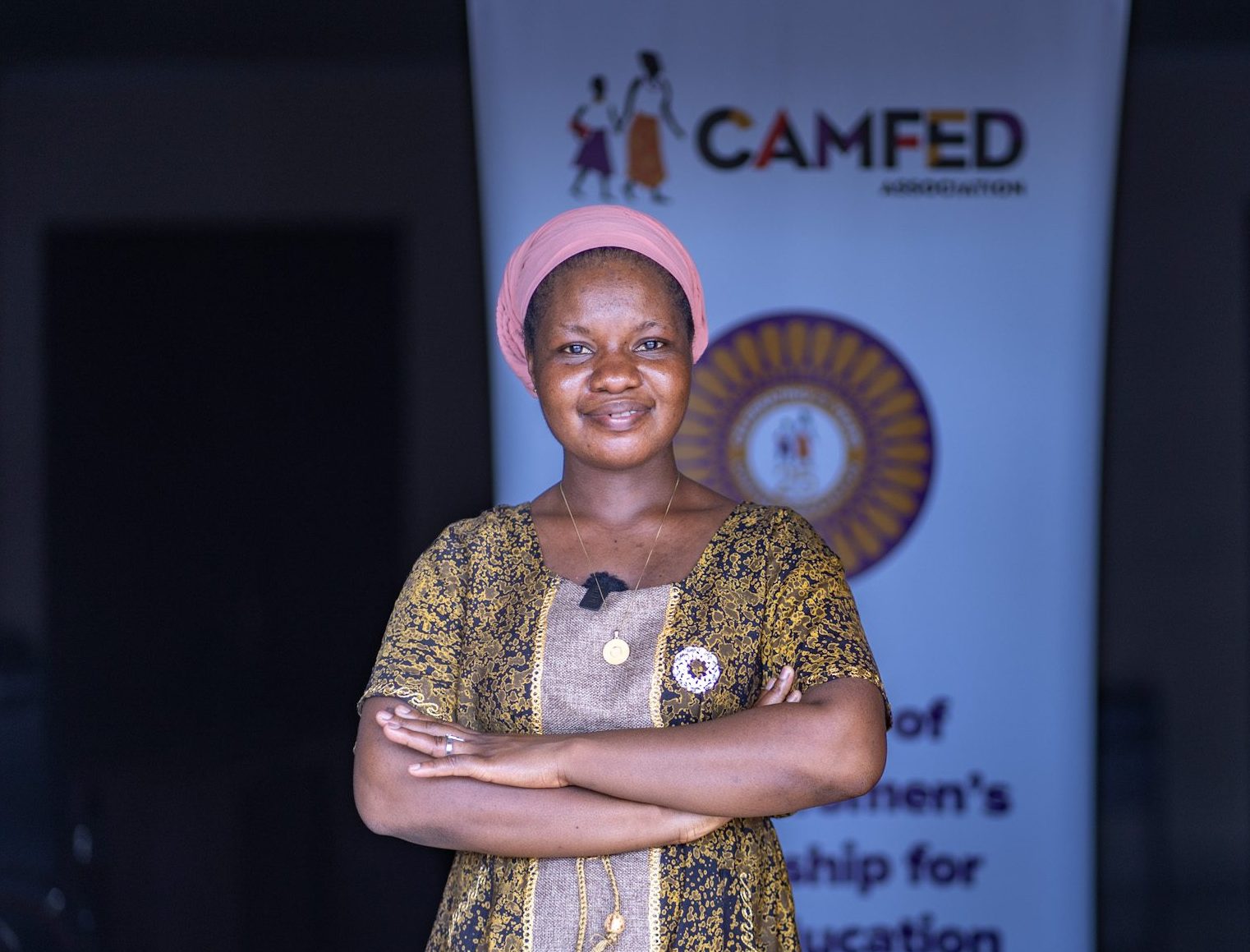
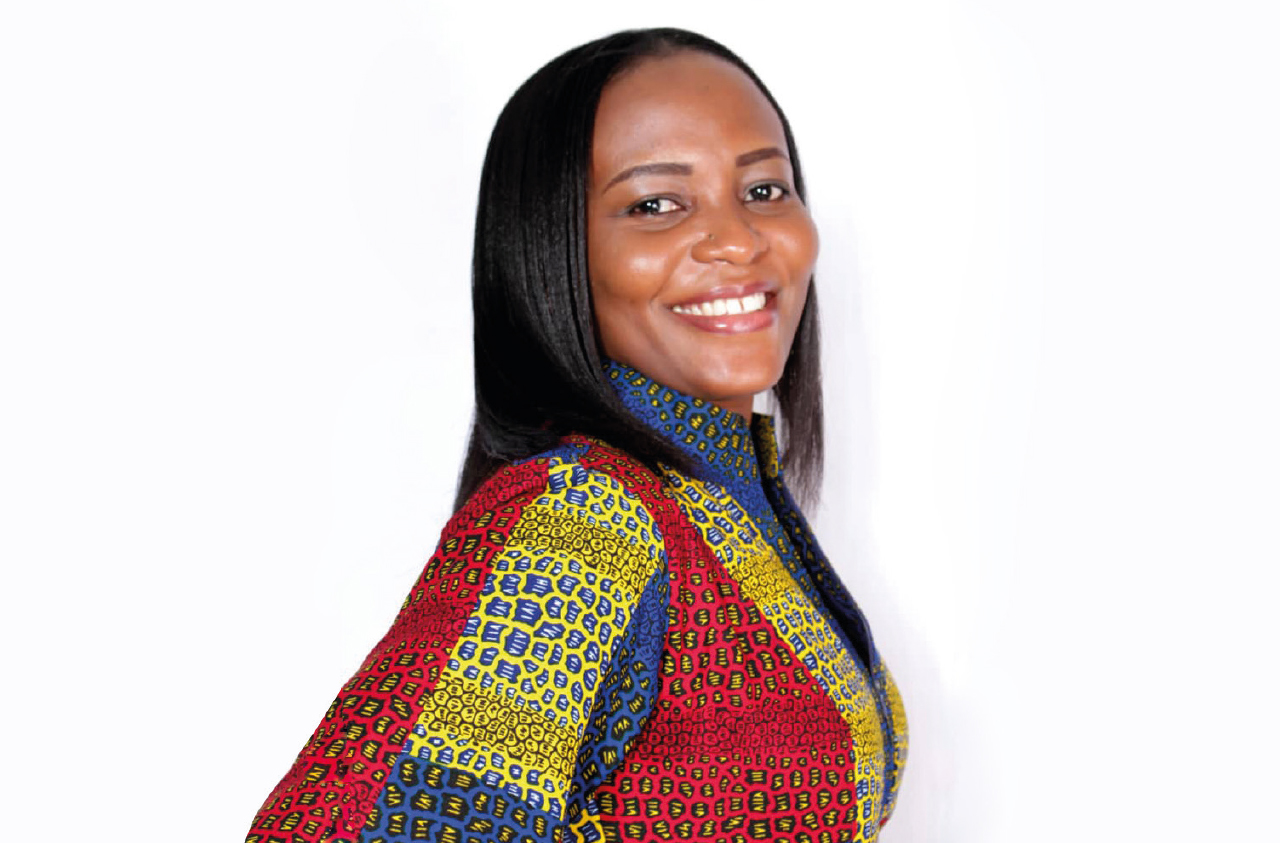
“In Ghana, poverty hinders girls’ access to quality education. Inspired by this, I advocate for change, urging parents and stakeholders to prioritize girls’ education. Together, let’s amplify the voices of young women for a brighter and equal future.”
Ramatu Abubakari, CAMFED Association Chairperson, Ghana
Particularly in rural areas, girls and students with disabilities remain at high risk of exclusion from education due to poverty, gender inequality and long distances from school.
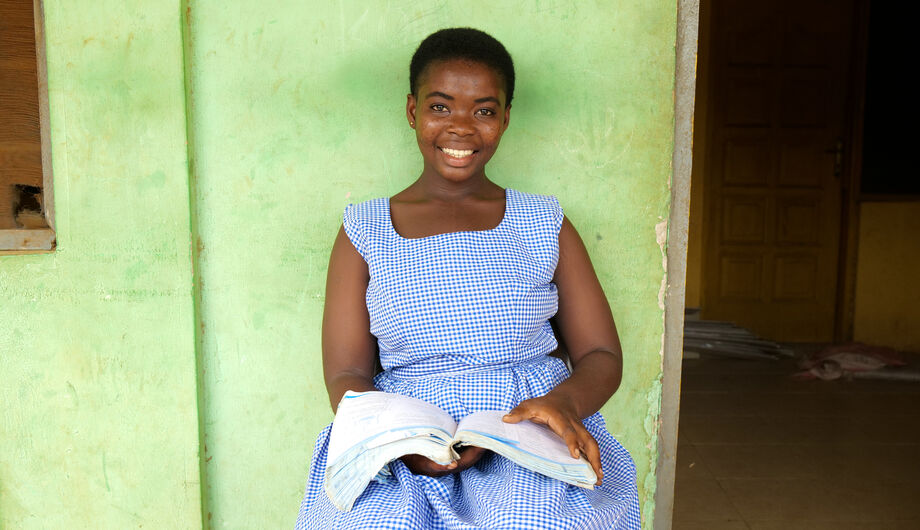
28% of children in Ghana live below the national poverty line of GH¢1,314 per person per year, rising to 45% of children living in rural areas.
Only 34% of girls in Ghana complete upper secondary school, and among the poorest children this falls to 9%.
Nationally, 23% of girls are married by their 18th birthday, and among the poorest, rural girls this figure rises to 46%
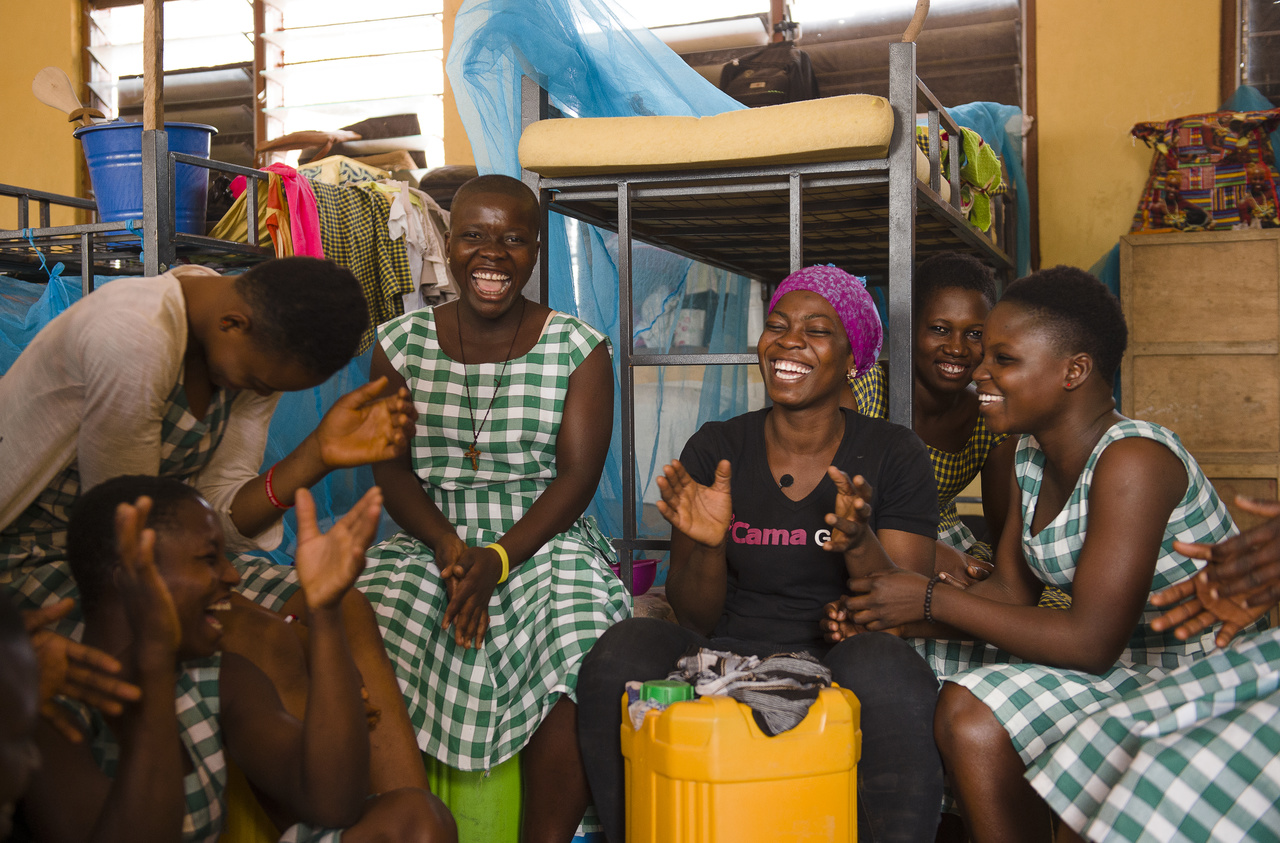
Nimatu, a member of the CAMFED Association (CAMA) of women leaders educated with CAMFED support, recounts her personal story of transformation through education. She now pays forward the benefits of her schooling, supporting a new generation of girls to stay in school, learn, thrive, and become leaders in their own right.
Our unique “power house” are the members of the CAMFED Association - our network of women leaders educated with CAMFED support. Once themselves excluded from education, now they are at this critical point in the journey of humanity where they are standing up for their local communities. As mentors, Learner Guides, rural entrepreneurs and philanthropists, they are the role models girls need to see and create a different future for themselves and for Ghana.Sally Ofori-Yeboah, Executive Director, Strategic Partnerships – Africa
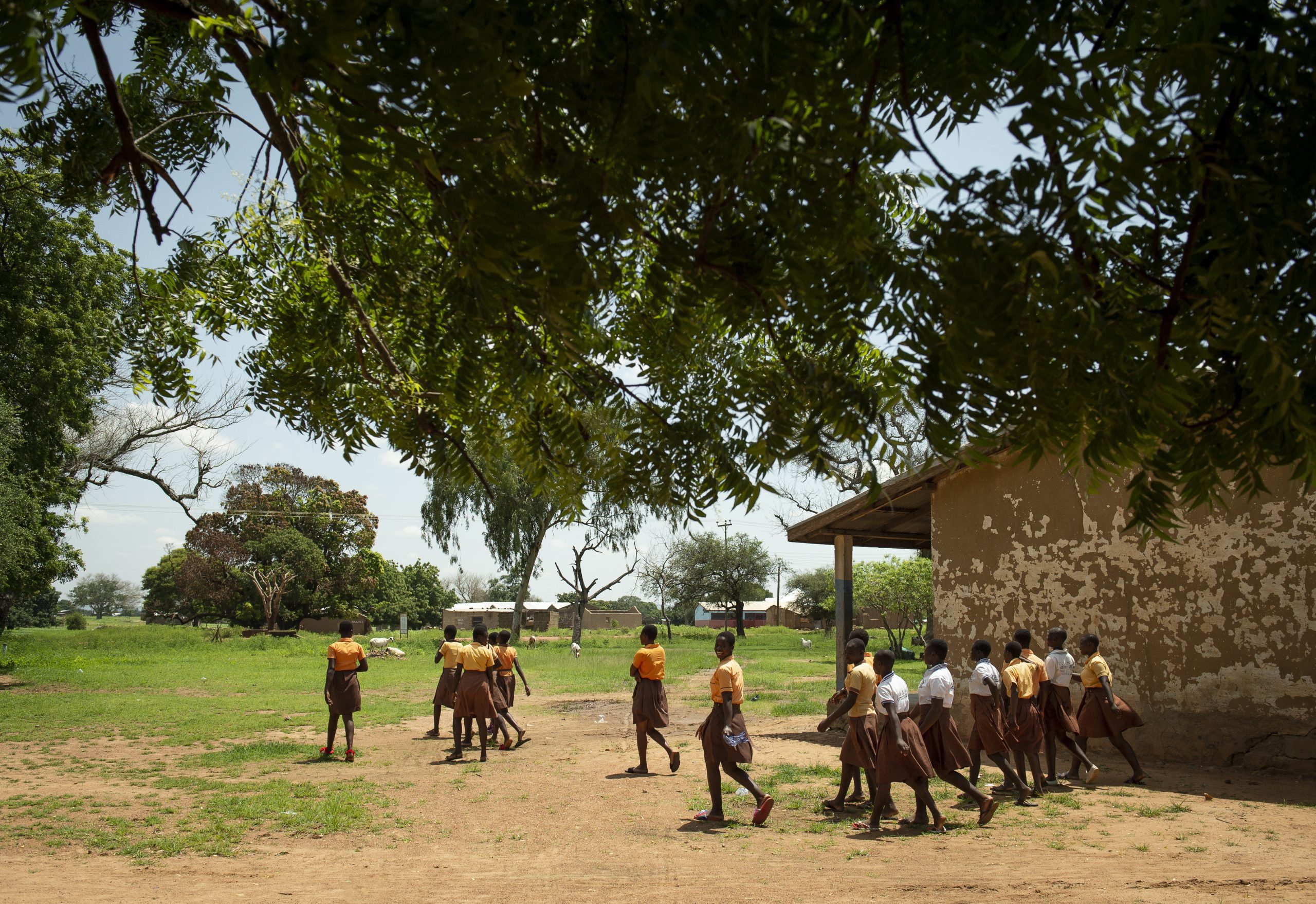
supported 282,880 students to go to primary and secondary school using donor funds
Of these, 132,586 students have been supported to go to primary school. CAMFED's Safety Net Fund for partner primary schools provides essential items for children to prevent them from dropping out of school.
And 150,294 students have been supported to go to secondary school. CAMFED provides holistic support, that might include school or exam fees, uniforms, menstrual supplies, books, pens, bikes, boarding fees or disability aids.
CAMFED Ghana supports the education of vulnerable children in 846 government schools.
Ghana co-sponsored the 2017 Human Rights Council resolution, recognizing the need to address child, early and forced marriage in humanitarian contexts, and the 2015 Human Rights Council resolution to end child, early and forced marriage, recognizing that it is a violation of human rights. In spite of this progress, child and early marriage remains an issue, particularly in the rural, northern areas where CAMFED works.
Early marriage limits girls’ skills, resources, knowledge, social support, mobility, and autonomy, they often have little power in relation to their husband, putting them at greater risk of domestic violence, HIV/AIDS and early pregnancy. For married girls and young mothers, this only entrenches the cycle of poverty as out-of-school they lack the resources and support to enter secure employment.
CAMFED Ghana collaborates with the government to ensure that young women not only stay in school, but see the pathway to independence and business leadership. We signed a Memorandum of Understanding with the Ghana Enterprises Agency to support training for young women in establishing businesses. In collaboration with the Government’s Guidance and Counselling Unit, CAMFED Ghana developed the Ministry of Education’s five-year Guidance and Counselling Strategic Plan, Teacher Mentor Training Manual and Civic Education Handbook.
Together with CAMFED Association leaders, we catalyze the activism of CAMFED Champions in our partner communities to support more vulnerable children to go to primary and secondary school.
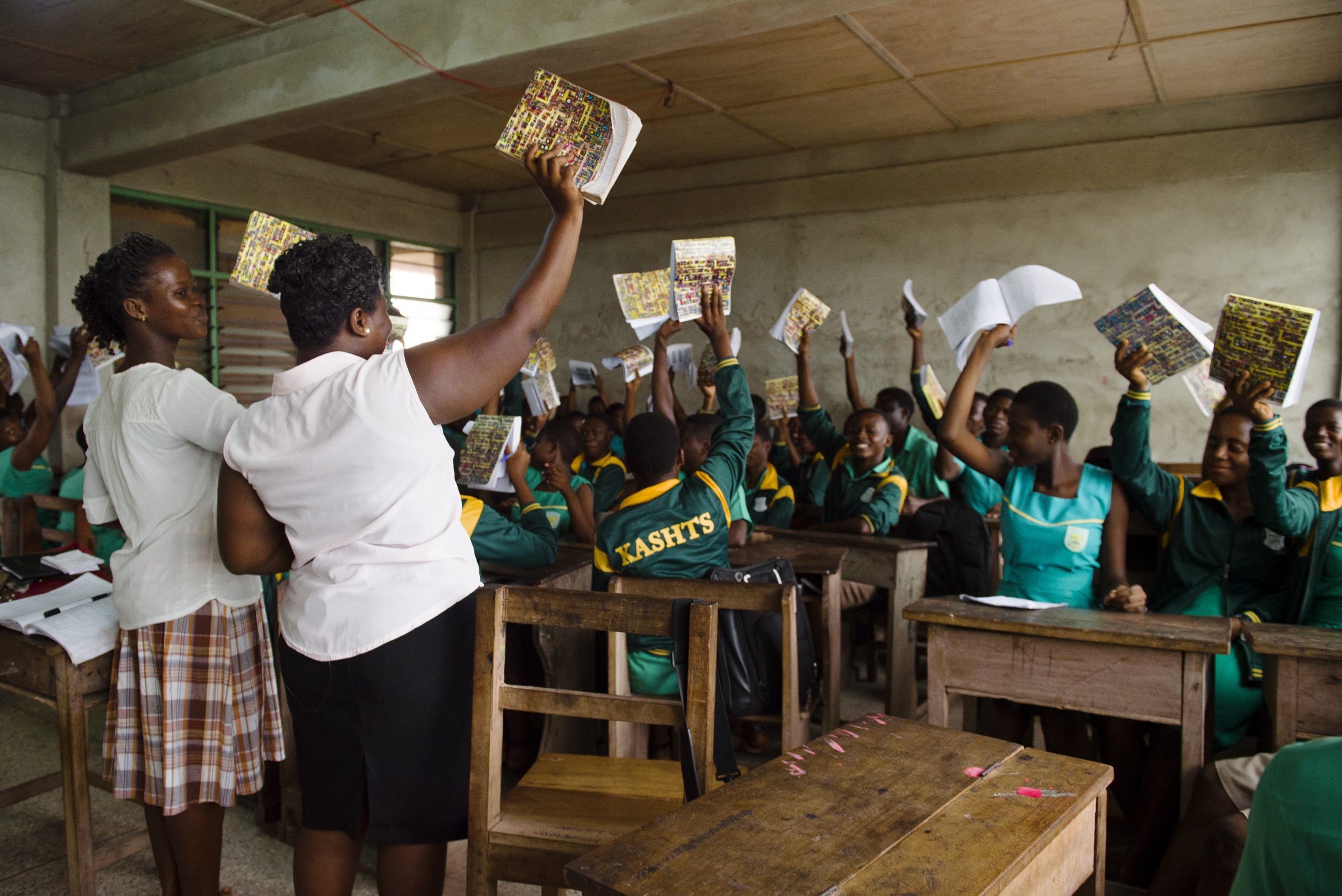
Since 1998, 919,022 students have been supported to go to school by CAMFED Association members and community initiatives.
Of these, 632,785 students have been supported to go to school directly by CAMFED Association members. Often using profits from their businesses, CAMFED Association members support on average 3 more children to go to school - multiplying the impact of their education.
And 286,237 students have been supported to go to primary and secondary school through community initiatives. This includes parents, teachers, education officials and traditional leaders, who rally resources to support even more children to go to school.
Our movement in Ghana has grown to 77,264 CAMFED Association members helping to form the largest network of its kind in Africa. Young women educated with CAMFED support spearhead our programs and help more vulnerable children to go to school.
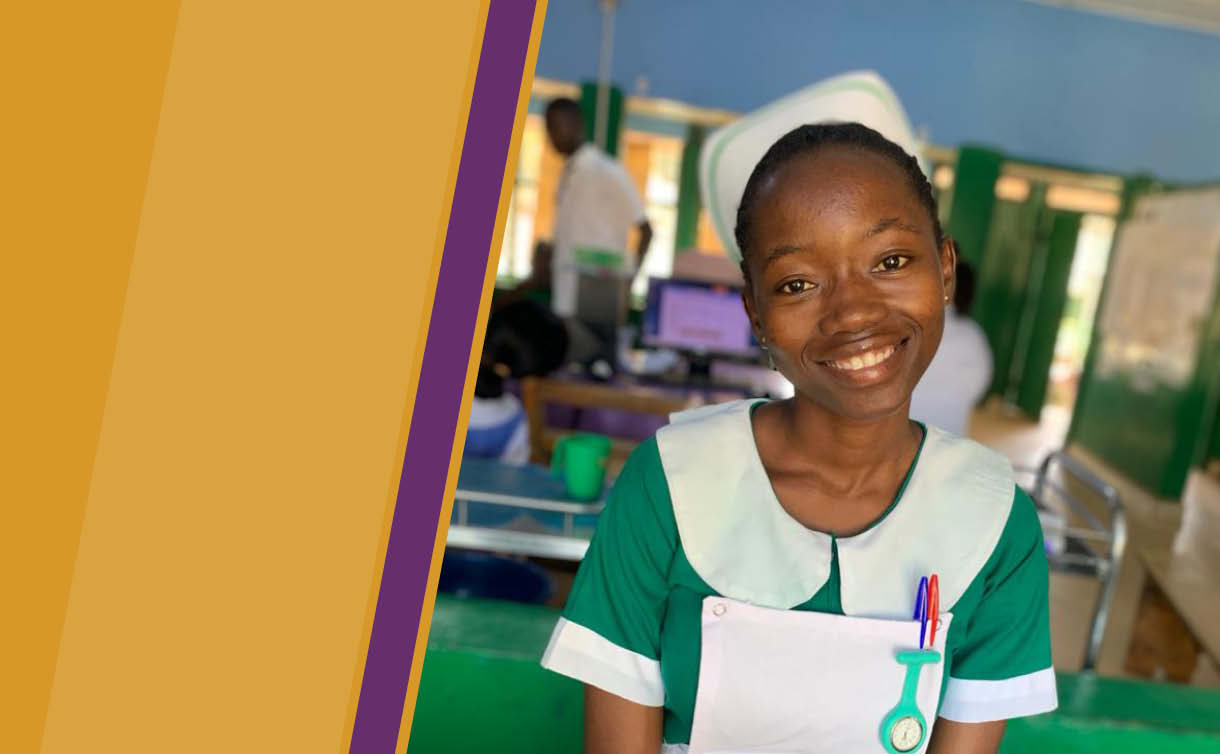
As an educated leader and passionate health advocate, I am transforming lives and shaping a better, healthier future for generations to come.
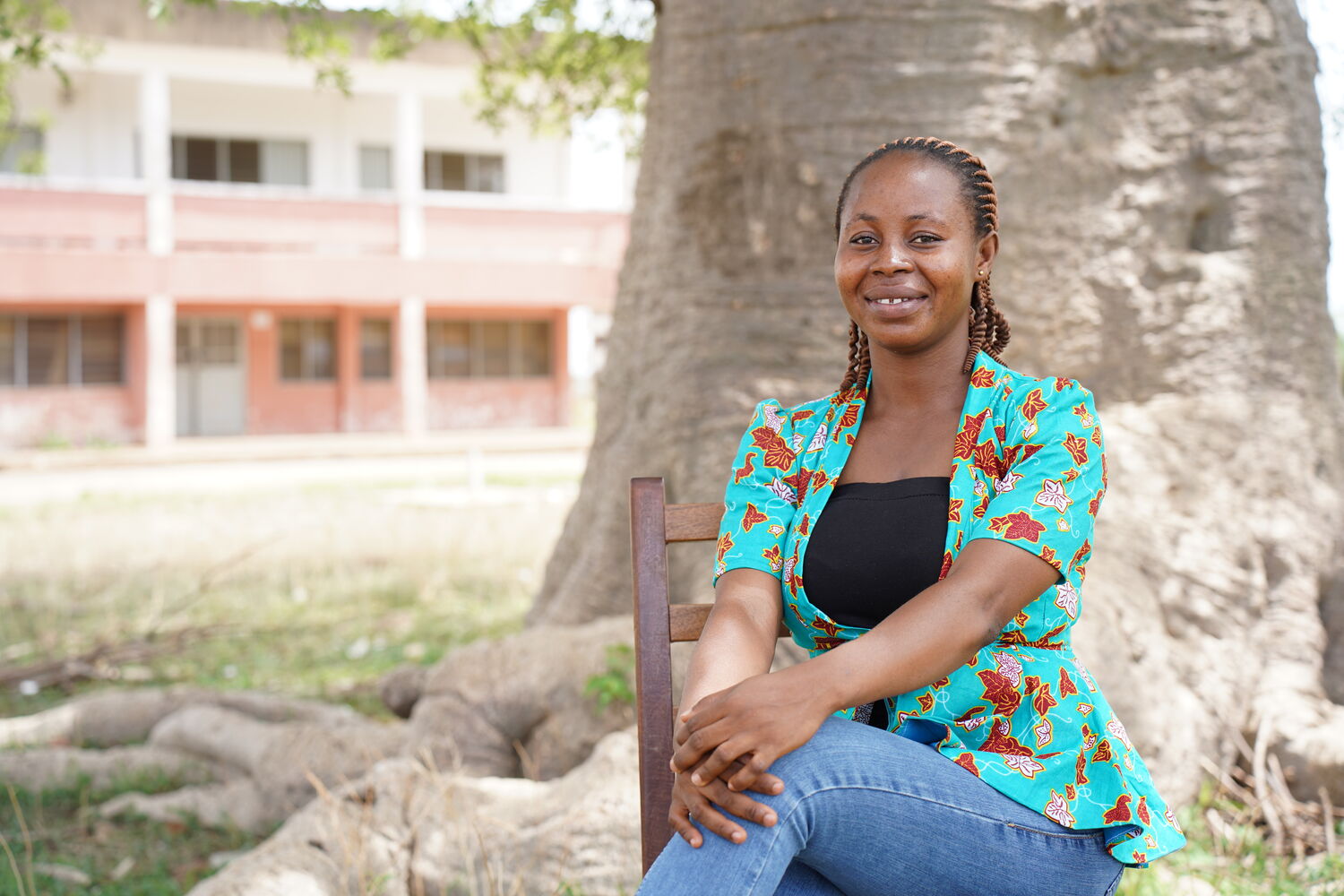
Being a Learner Guide has been one of the biggest opportunities of my life. There is so much I can do to support myself, people around me and the world as a whole.
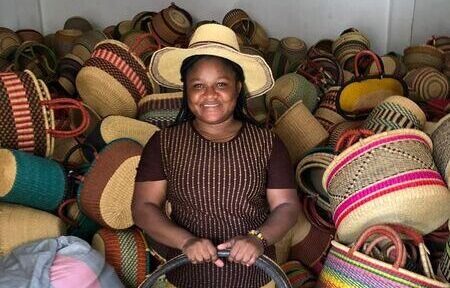
I understand first hand how poverty and exclusion can strip you of your dignity. That’s why I use my education to uplift others in my community.
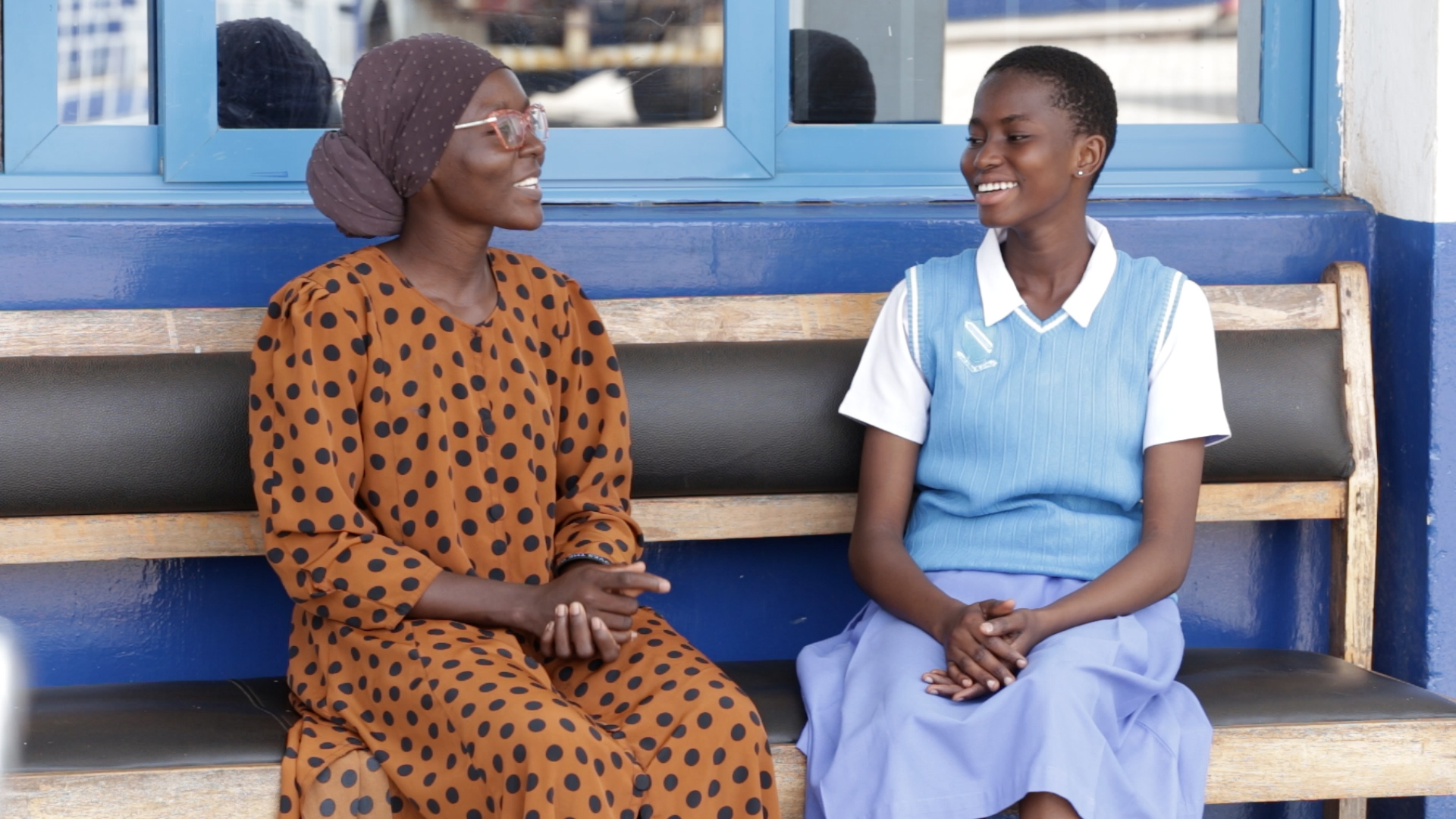
Following CAMFED Ghana and the National Service Scheme (NSS) signing a Memorandum of Understanding, the two organizations undertook a monitoring exercise. Team members visited schools in the Northern Region to observe My Better World sessions in action and hear about students’ experiences of them.
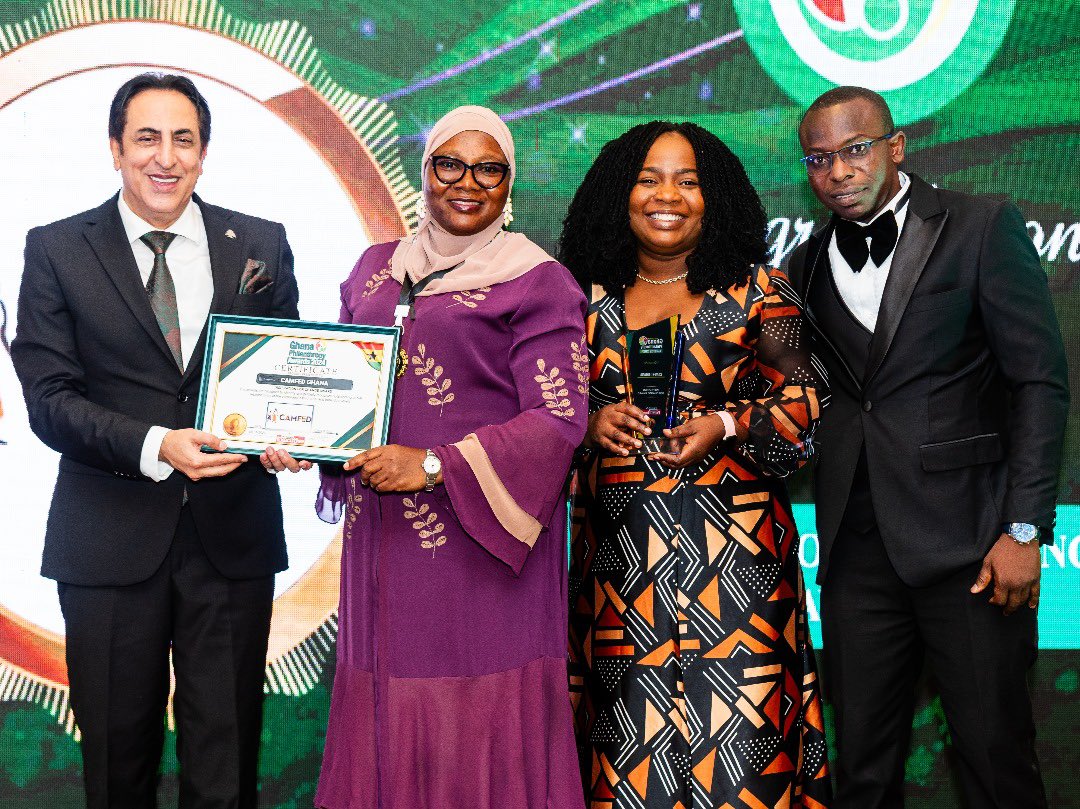
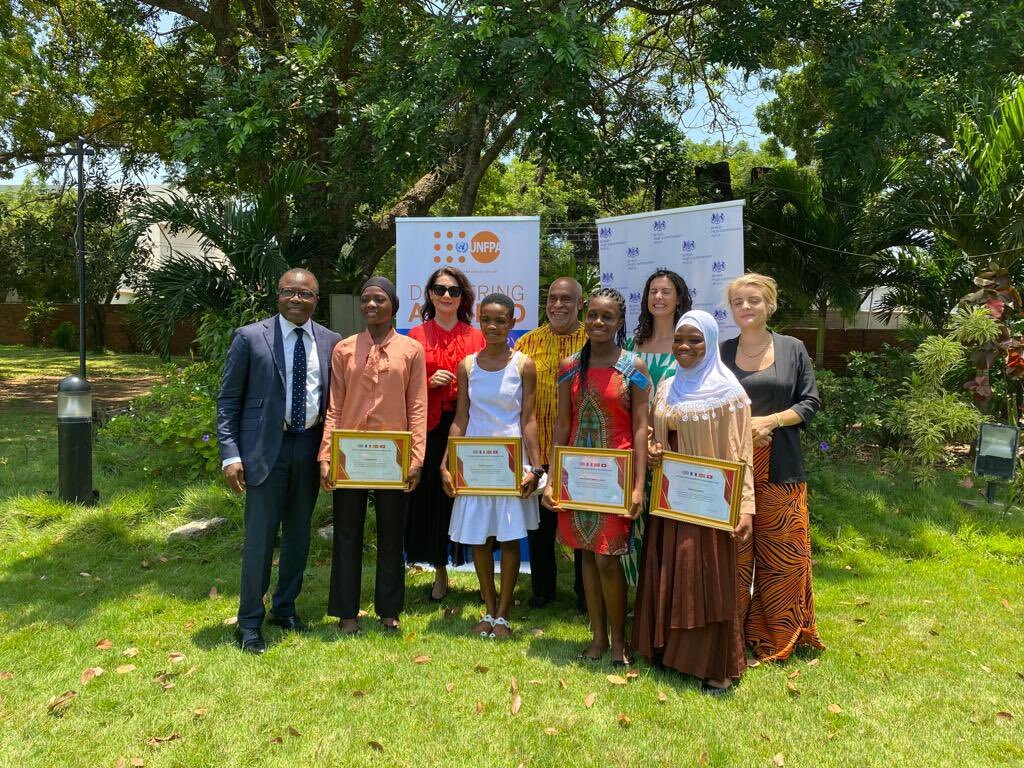
At the 2024 Ghana Philanthropy Awards, Fairuza Abdul-Rashid Safian accepted an award on behalf of all in the organization.
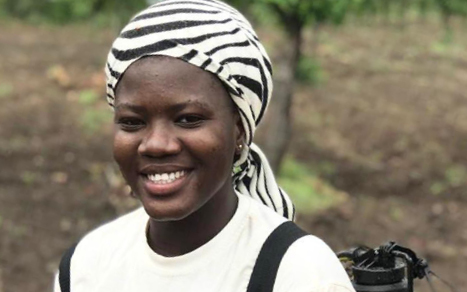
In this country there are so many unemployed young people, so when I started university I was already thinking of business ideas. I didn’t want to complete my studies and find myself without opportunities, and getting into entrepreneurship also meant I could pursue something I was really passionate about. I started my groundnut processing business, called Influx Groundnuts Products, in January 2019.
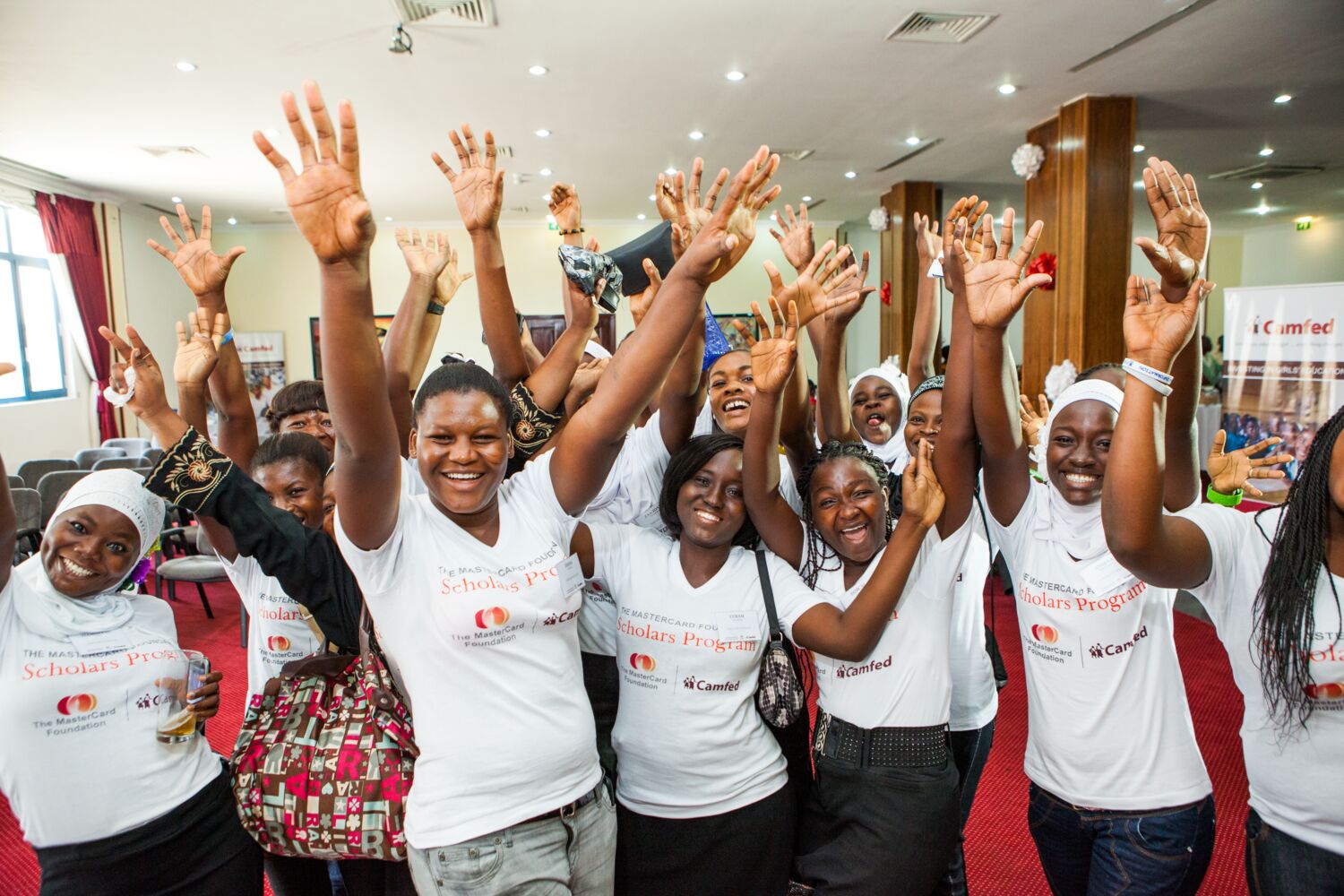
A new study reveals significant medium and long-term positive outcomes not only for the Mastercard Foundation Scholars, but also for their families, communities, and educational institutions.
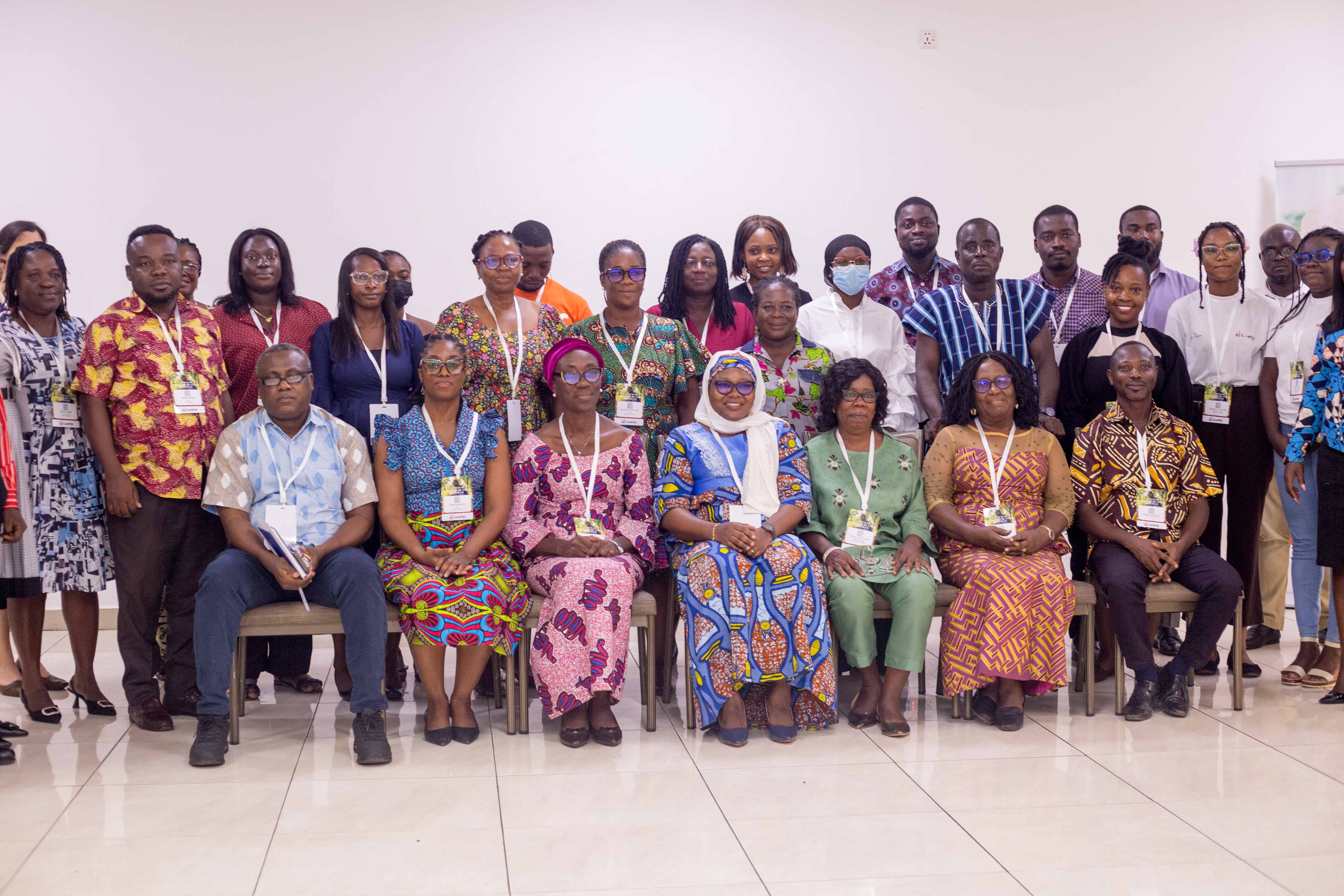
At an event held on May 2nd, 2024, in Accra and attended by high-profile partners, stakeholders, and journalists, CAMFED announced the launch of its climate-smart Agriculture Guide Program in Ghana.
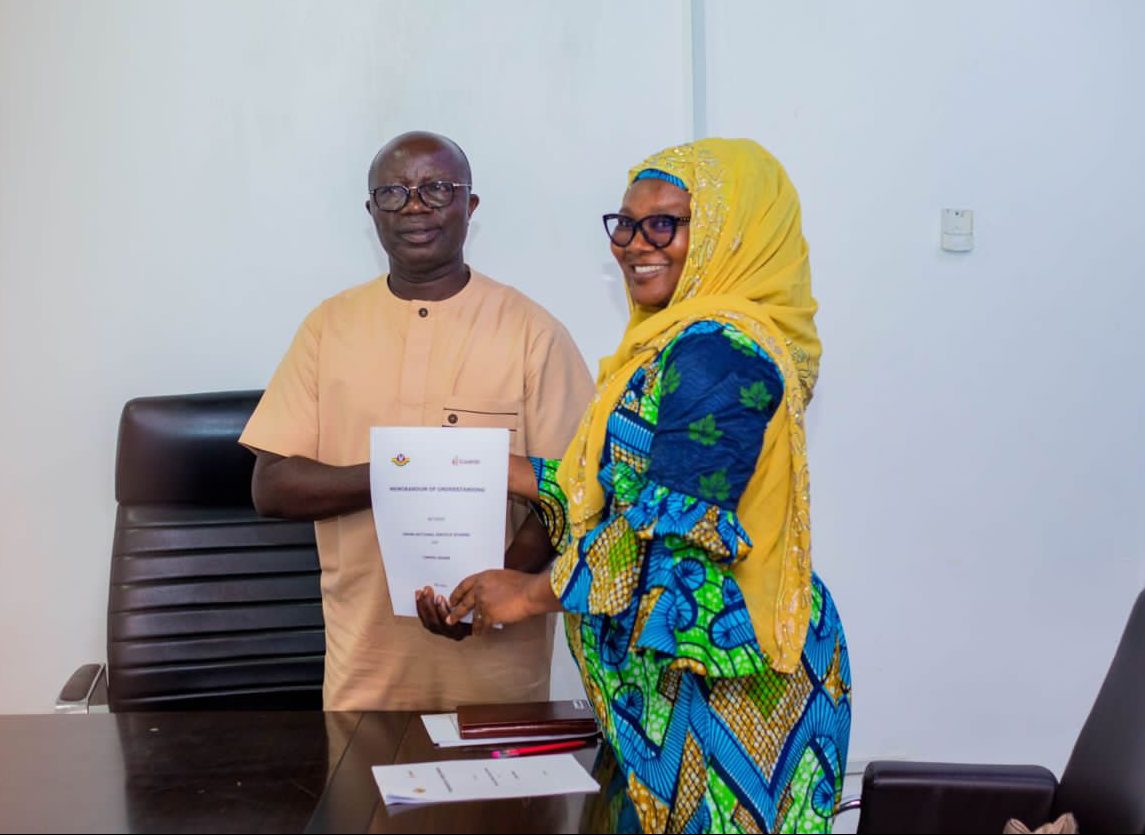
CAMFED Ghana and the National Service Scheme (NSS) have signed a Memorandum of Understanding, partnering to support young women in STEM (Science, Technology, Engineering, and Mathematics) fields to gain leadership skills and deliver CAMFED’s My Better World program.
November 2023
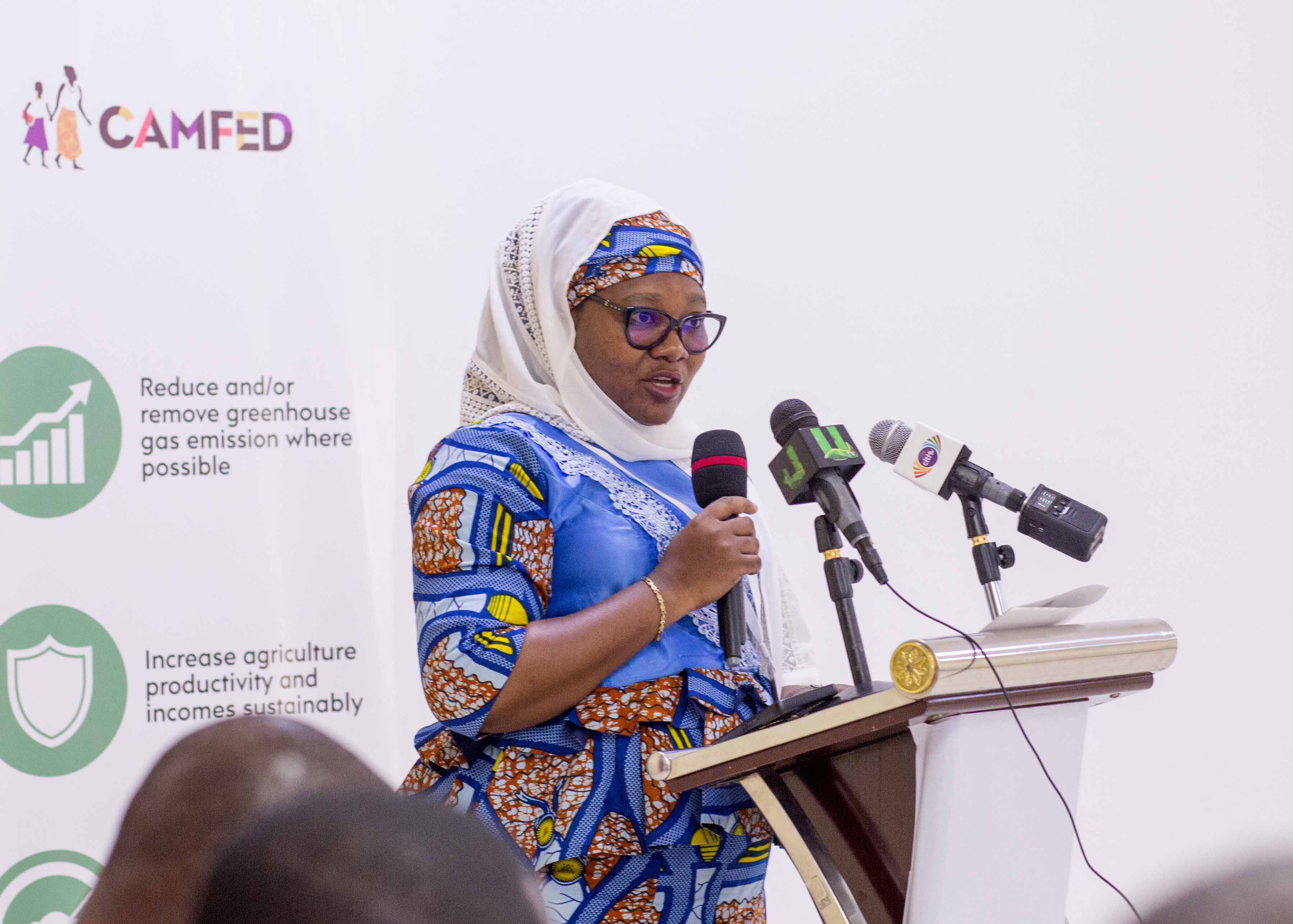
In her interview with Citi News following a recent media partnership meeting in Tamale, Ghana, CAMFED’s national director Fairuza Safian announced the launch of our new strategic plan – our vision for 2030 – to support millions more marginalized girls to go to school; join our powerful sisterhood of leaders (the CAMFED Association), helping each other to transition to secure livelihoods; and to partner with governments to drive the adoption of best practices in national education systems.
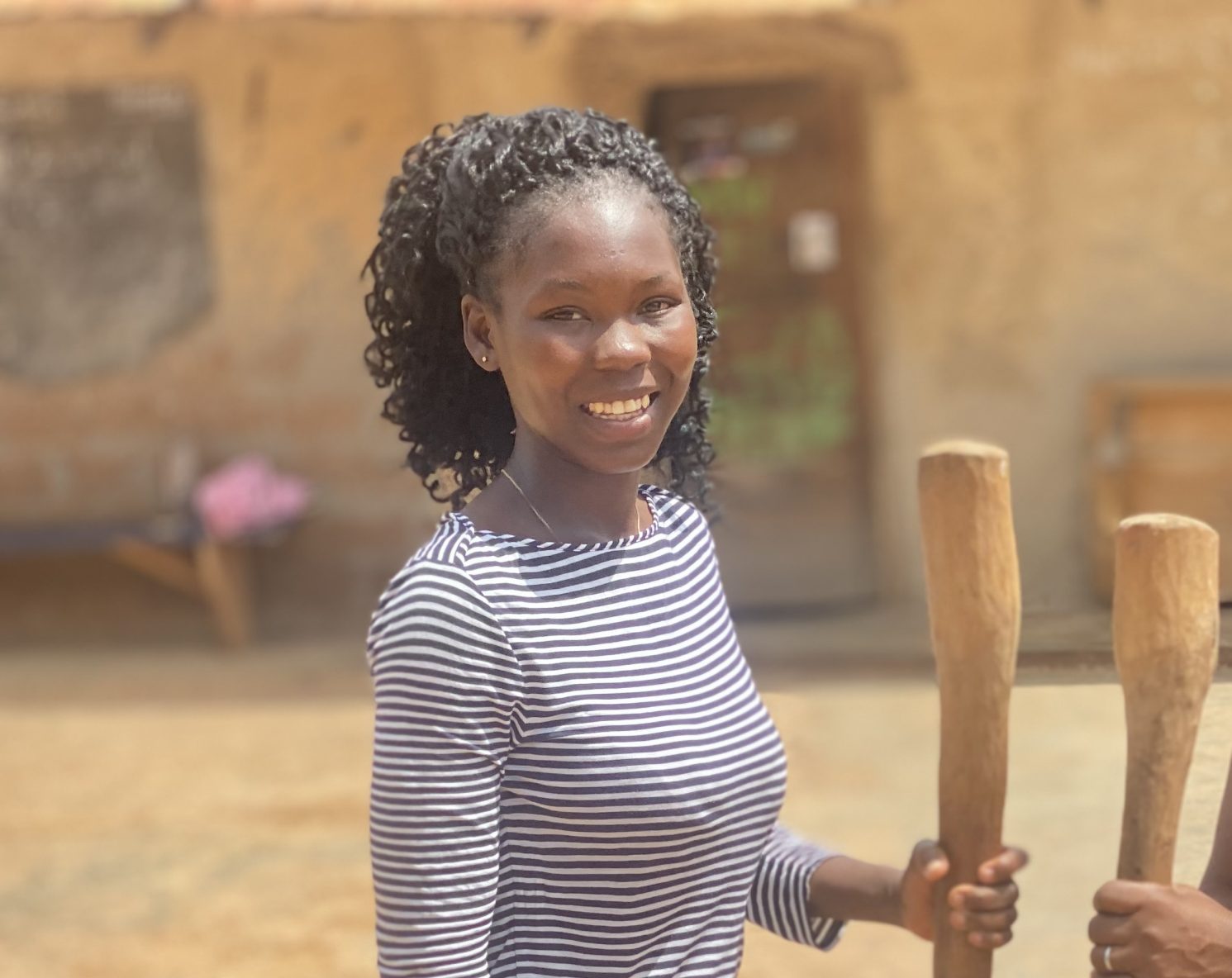
I am Portia, a trained teacher by profession, from the Upper West Region of Ghana. Throughout my formative years, I encountered numerous girls who faced circumstances similar to mine. The overwhelming challenges and distressing situations they experienced because of poverty made them vulnerable to exploitation and further challenges. I made a personal commitment to help and become a beacon of hope for them. My education has equipped me with the skills to pursue my passion for teaching and community development.
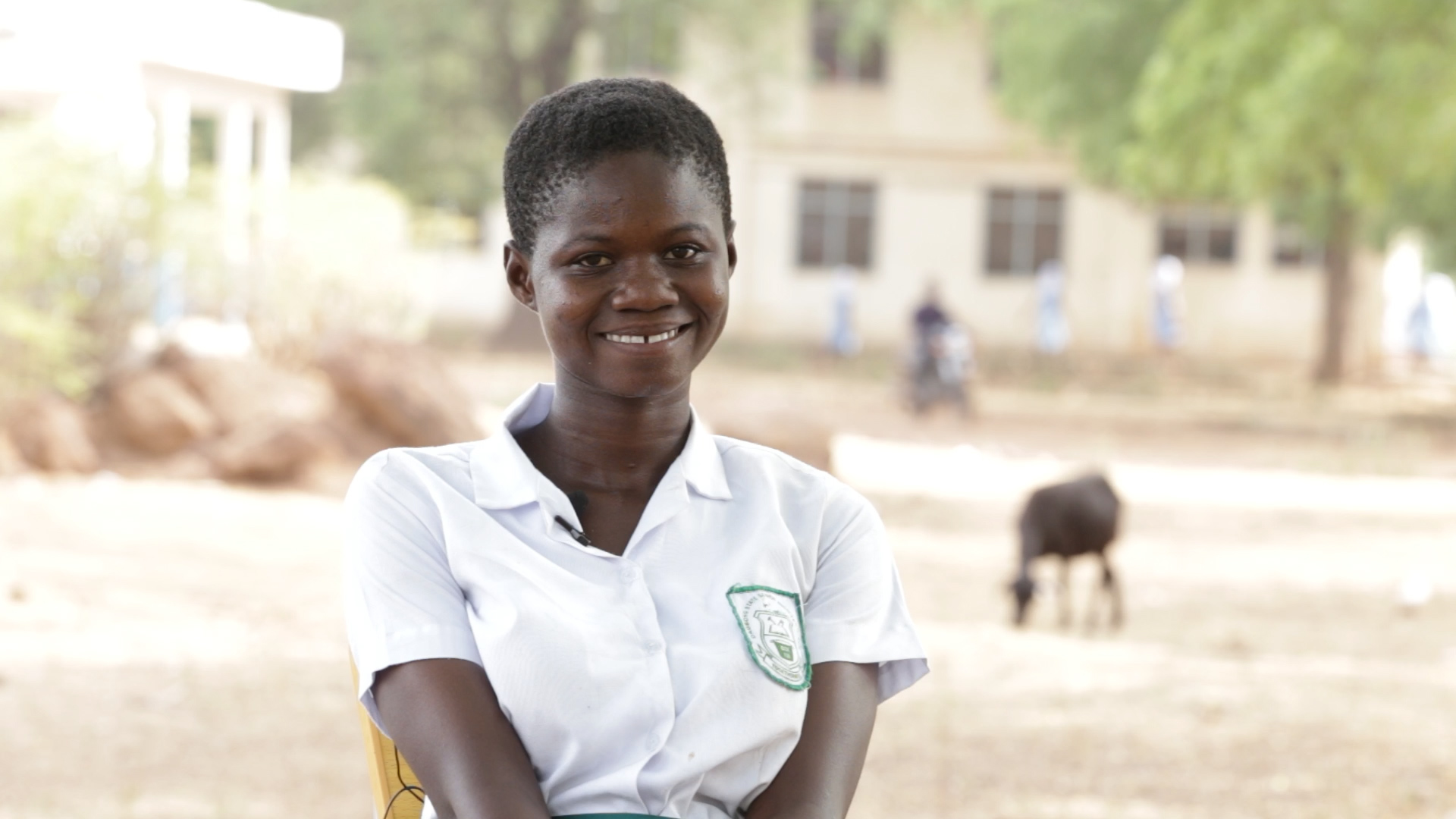
I'm Sussana from Yendi in Ghana. I hope my story will encourage other young women with disabilities to believe in themselves and know that they can become great people in future. Prior to CAMFED support, I thought I would have dropped out from school. But now my dream of becoming an art teacher is becoming a reality.
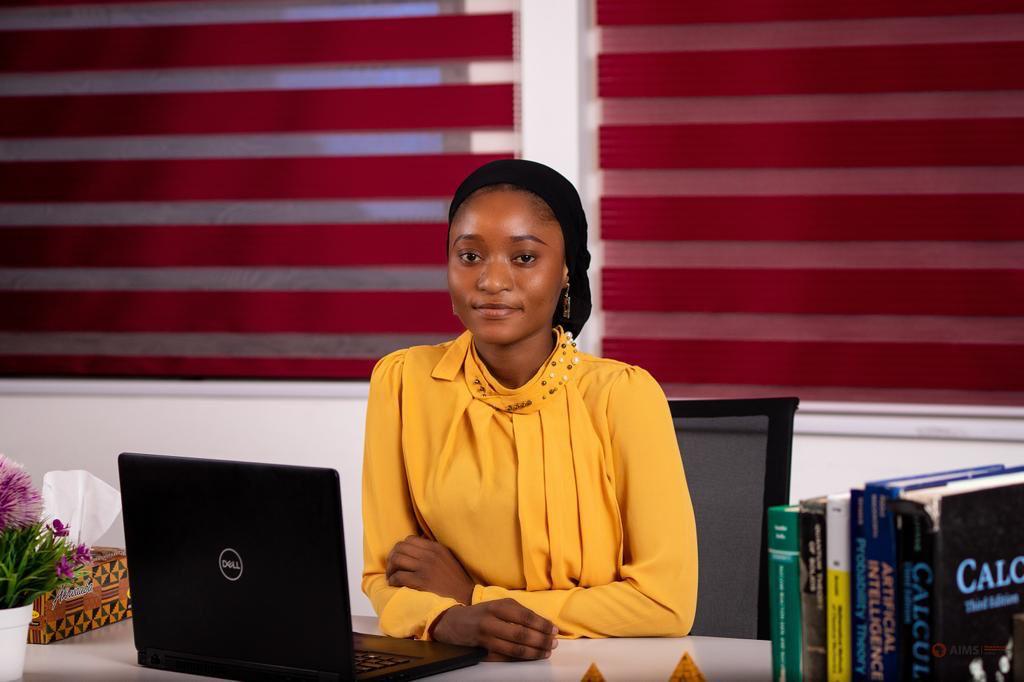
From saving up my lunch money to access the internet café, to becoming an award-winning Machine Intelligence expert — I am living out my dreams as a trailblazing young woman in STEM.
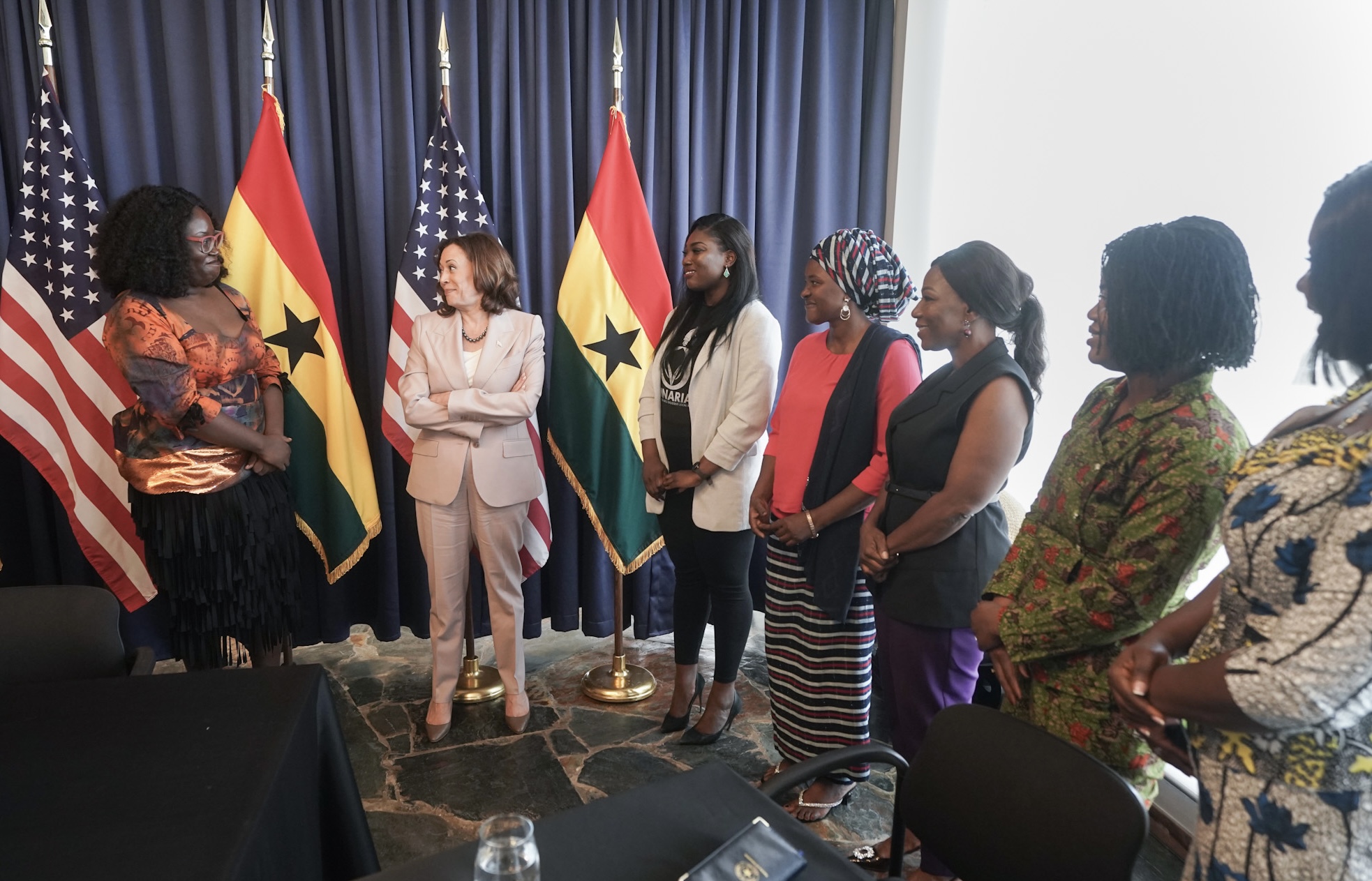
Ruka Yaro De-Liman and Priscilla Akoto-Bamfo were among just six leading female entrepreneurs selected to engage with the Vice President, during her recent three-day visit to Ghana.
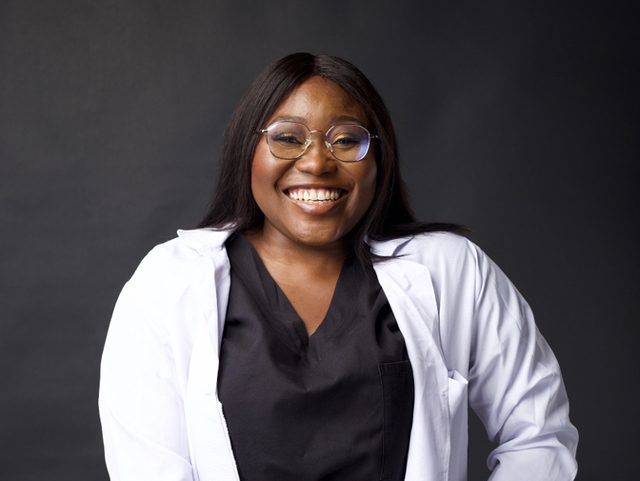
I hope my story will be a huge encouragement to many - showing a person living with a disability who has accomplished much in life. I like to say: “Never be afraid to show the world who you are and what you are made of.”
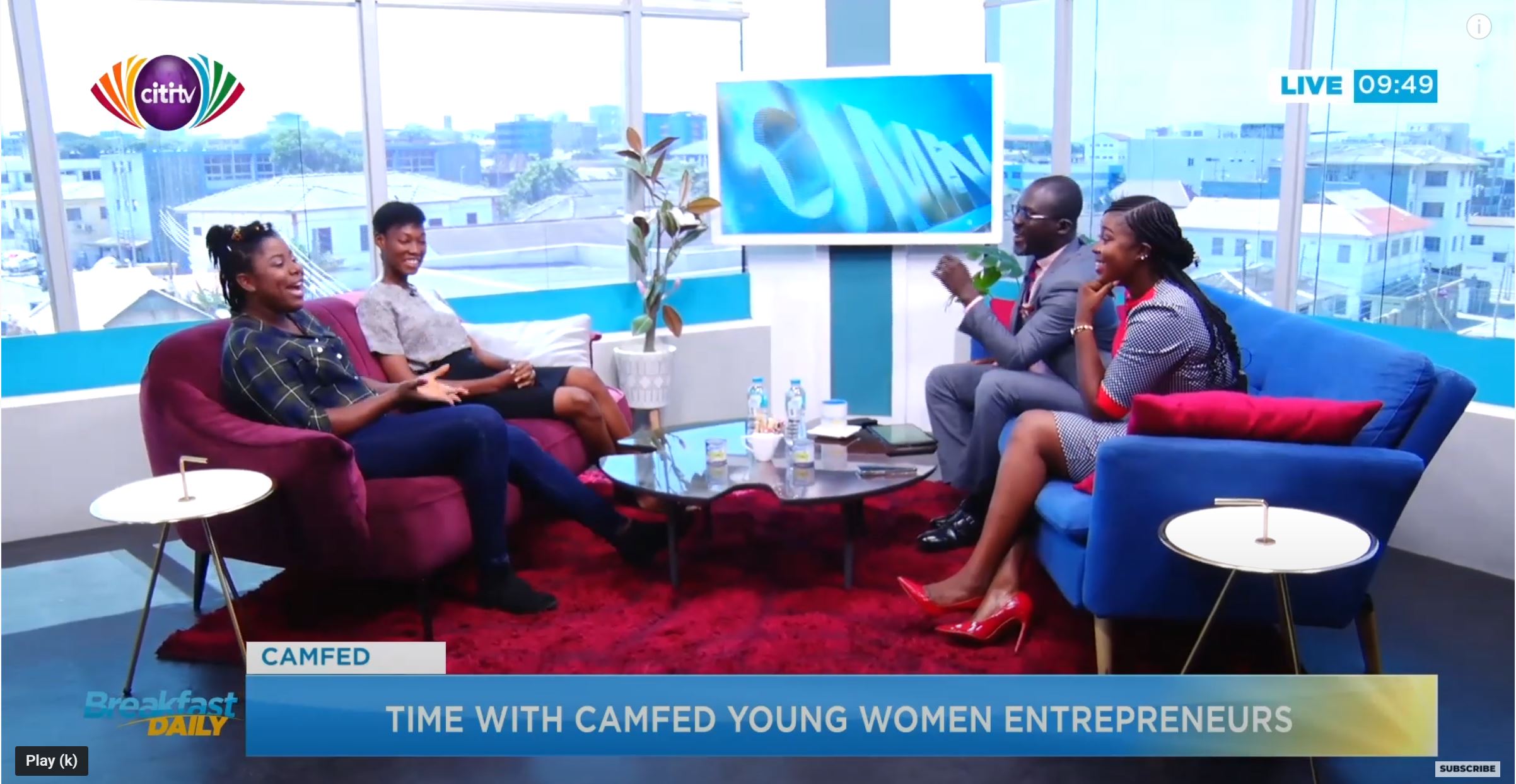
Citi TV, one of Ghana’s leading television channels, is celebrating young women entrepreneurs through a series of interviews on its popular Breakfast Daily show.
Huma Soomro $21.40
Melanie El-Hariri €180
Bill Davies £104.10
Sharon Hutchinson $5
Joaly kim $5.60
Kenyon Mahoney $9
Laura Shaw $63.40
Janet Leininger $21.40
Enrique Loy $230
William Rutcosky $300
Maria Robles $20.30
Alina Blazhenko $10.90
Alex Garbett £104.10
Marsha Meyer $21.40
Anand Kamathi $190